Affiliate Disclosure: Welcome! Before we dive in, please note that some of the links in this article are affiliate links. This means that as an Amazon Associate, I earn from qualifying purchases if you click through and buy something. This comes at absolutely no additional cost to you, and it helps me keep creating helpful content for this site. Thank you for your support!
Welcome to Jan Captures Nature
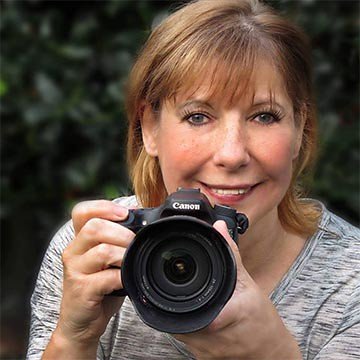
Hi, I’m Jan. I’m a passionate nature lover and amateur photographer based in the UK. This blog is dedicated to sharing UK wildlife and nature photography tips for beginners. For me, there is nothing better than heading out with my camera to capture the quiet beauty of our local British wildlife and countryside.

Meet Jan: The Story Behind the Lens
My Passion for Photography Started Early
My fascination with capturing moments began way back when I was barely past a teenager. However, being immensely quiet at the time, I missed out on traditional night school courses because they were predominantly male-dominated environments.
Building Confidence and Credentials
As the years passed, my confidence grew, and I finally decided to pursue my passion formally. I attended St Helens College, learning the foundational arts of photography using a traditional Pentax film camera. During my college studies, I spent hours in the darkroom learning the hands-on art of developing negatives and printing my own physical photographs. I went on to achieve a Grade A in GCSE Photography, followed by Distinctions in City & Guilds.
Transitioning to the Digital Era
It was a while later when I transitioned from film to digital cameras. Embracing this new technology allowed me to expand my craft even further, leading me to master digital tools like Photoshop and Lightroom while keeping my core, traditional understanding of light and composition alive.
Never Stop Learning
To build upon my college education, I have spent years continuously sharpening my skills through specialized workshops, covering:
- Technical Mastery: Advanced Photoshop & Lightroom editing
- Lighting & Technique: Speedlight flash photography, portrait setups, and specialized photo walks
- Event Experience: Professional wedding photography and baby photoshoots
Rooted in the Community
Photography is a journey best shared. To bring local photography lovers together, I founded and ran the Golborne PICs (Photographers Inspiring Communities) Photography Club at the Golborne Library, helping others discover the joy of capturing the world around them.
My Loyal Walking Companions
A huge part of my inspiration comes from my love for my five dogs that I have shared my life with over the years. They have been my ultimate motivators, encouraging me to get out into the fresh air every single day. With a lead in one hand and my camera in the other, our daily walks across the beautiful UK countryside have opened my eyes to so many incredible wildlife encounters that I otherwise might have missed.
My True Love: Nature, Wildlife, & Landscapes
While I have loved capturing the joy of friends’ weddings and sweet family milestones over the years, my absolute passion lies in the great outdoors. Today, I dedicate my lens entirely to the raw beauty of UK nature, wildlife, and landscapes—capturing the moments where time stands still.
My Latest Field Work: UK Wildlife Photography Tips for Beginners
You don’t need a £5,000 corporate lens or an expensive trip to the Scottish Highlands to enjoy nature photography. This blog is all about sharing practical, budget-friendly tips to help everyday beginners get stunning wildlife shots using simple gear, right in their own local parks or gardens.
Wildlife photography isn’t just about the final image; it’s about the patience, the early mornings, and learning to sit quietly with the nature around us. Through this site, I want to show that you don’t need a professional background to connect with the natural world—just a curious eye and a bit of practice with the gear you already own.
The Story Behind the Jackdaw:
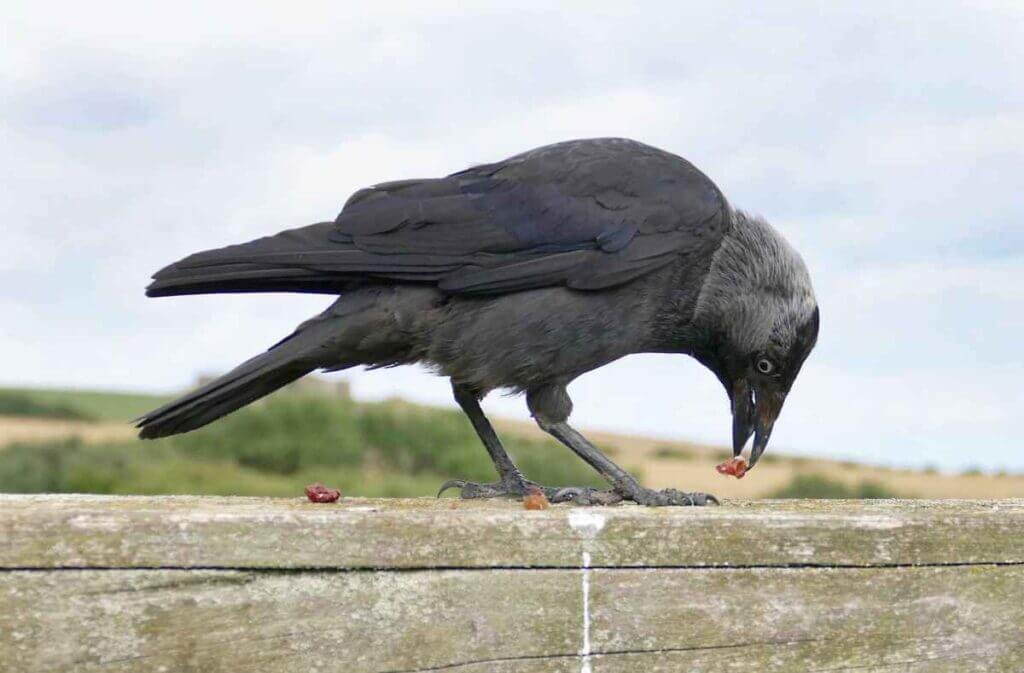
While stopping for a hot drink at the Flamborough Head cafe, this striking Western Jackdaw landed on the wooden fence line right next to me. Coastal crows and jackdaws are incredibly bold but highly intelligent. I switched my Panasonic Bridge Camera to tracking mode, sat completely still with my brew, and waited for him to turn his head to catch that piercing, silver-blue eye against the weathered wood. Once he knew food was around there was no stopping him, he kept coming back for more.
I chose a black and white edit to strip away distracting colours and really emphasize the beautiful textures of his plumage and that keen, watchful eye.
My Real-World Settings:
Camera Body: Panasonic DC-FZ10002
Lens used: 26.3mm fixed camera zoom lens
Camera Mode: Shutter Priority
Shutter Speed: 1/2000s to freeze the movement
Aperture: f/3.7 to get that soft blurred background
ISO: 250
The Story Behind the Grey Seal:
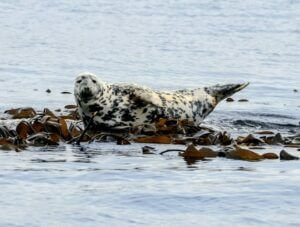
The Farne Islands in Northumberland are home to one of the most important grey seal colonies in the UK. While our boat was cruising slowly past the low rocks, this beautiful seal was hauled out right on top of a thick, floating bed of kelp. The boat slowed right down so it didn’t disturb his natural peace, he relaxed completely and looked right down the lens line, showing off his calm, inquisitive expression.
The challenge in this moment was dealing with the gentle roll of the sea while keeping my lens steady at a long focal length. It takes real patience to track any animal, but when he paused and held that steady eye contact, everything else seemed to fade away. It’s those brief, connected moments that make wildlife photography so incredibly rewarding.
My Real-World Settings:
Camera Body: Canon EOS R10
Lens Used: 100-300mm kit lens
Camera Mode: Shutter Priority
Shutter Speed: 1/1000s to freeze the movement
Aperture: f/5.6 for sharp edge-to-edge detail
ISO: 400 for clean, natural coastal light
The Story Behind the Puffin:
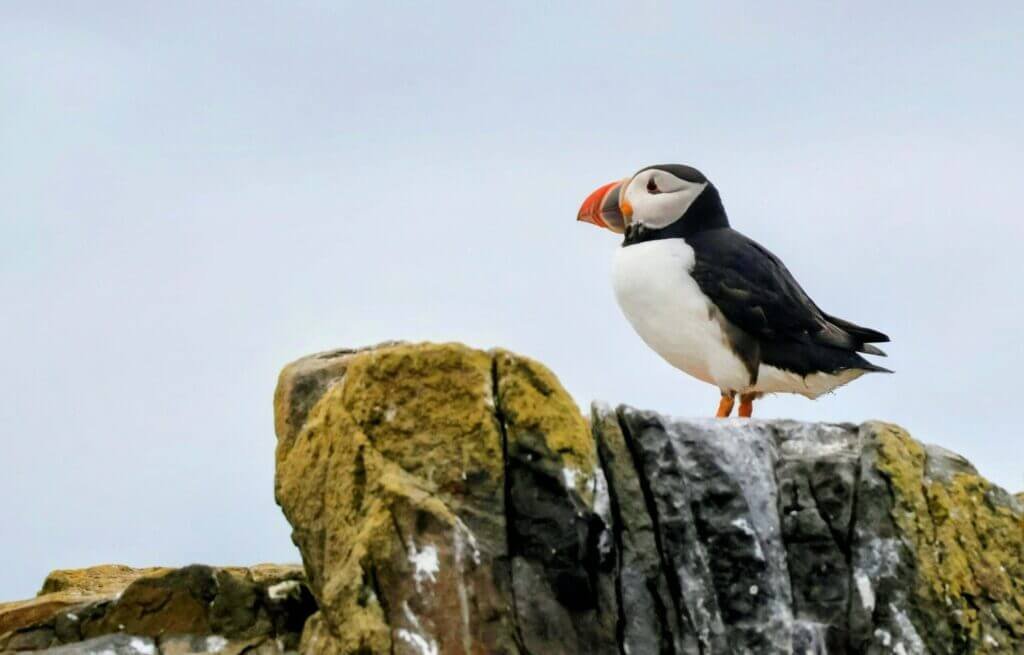
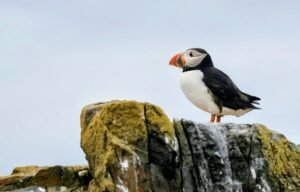
Captured during the summer breeding season, this shot highlights a puffin on a mossy rock against the sea. A fast shutter speed was used to overcome coastal wind, while a low angle isolates the subject to highlight its features.
The Farne Islands colonies are bustling with energy during these peak summer months, making it both thrilling and challenging to pick out a single subject. It was quite a difficult shot being on a moving boat. Watching these iconic birds clumsily navigate the sea cliffs before diving into the surf is pure joy, and capturing that perfect profile amidst the crashing waves made the choppy boat ride entirely worth it.
My Real-World Settings:
Camera Body: Canon EOS R10
Lens used: 100-300mm kit lens
Camera Mode: Shutter Priority
Shutter Speed: 1/1250s to freeze movement
Aperture: f/6.3
ISO: 400
Over the coming weeks, I’ll be sharing more UK wildlife and nature photography tips for beginners, including my personal field journals, simple composition ideas like using natural framing, and breakdown guides on easy camera settings like Aperture Priority. Pull up a chair, and let’s explore nature together.
Feel free to contact me for enquiries.