Affiliate Disclosure: Welcome! Before we dive in, please note that some of the links in this article are affiliate links. This means that as an Amazon Associate, I earn from qualifying purchases if you click through and buy something. This comes at absolutely no additional cost to you, and it helps me keep creating helpful content for this site. Thank you for your support!
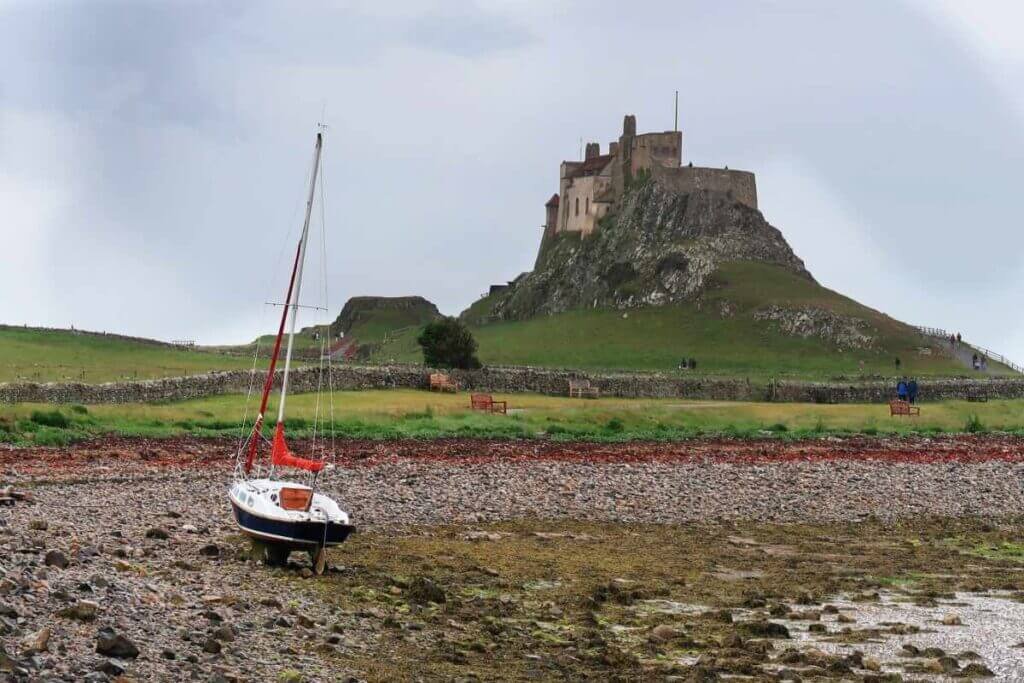
The historic Pilgrims Way to Holy Island is one of the most spiritually rewarding and visually dramatic tidal walks in the United Kingdom. Crossing this vast estuary offers an immersive journey through a pristine coastal landscape.
The Mudflat Survivors: Common Cordgrass and Glasswort
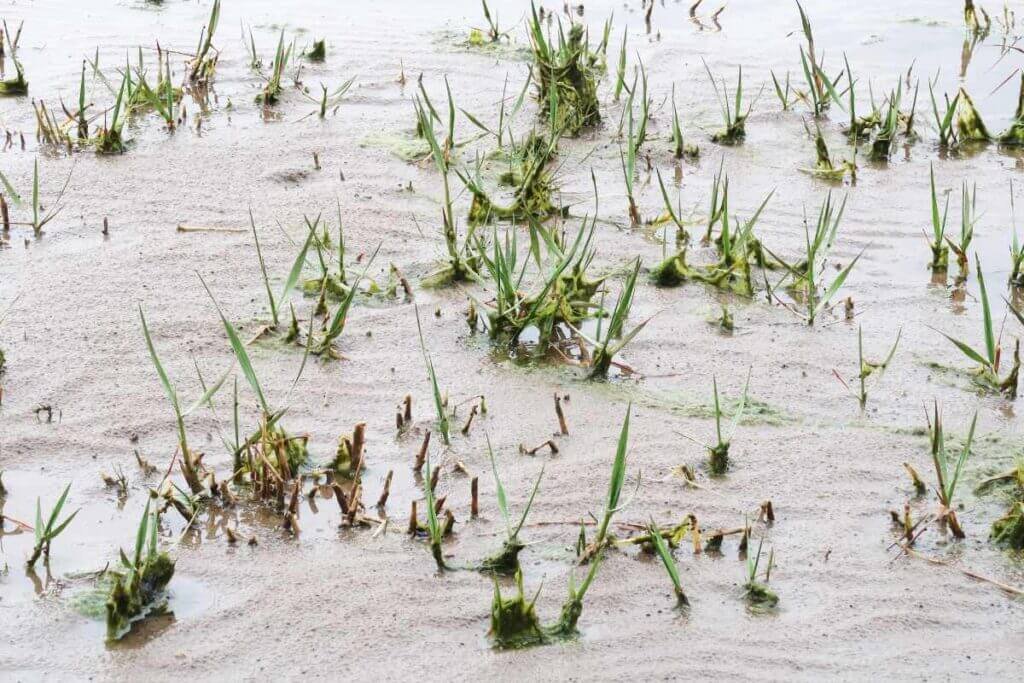
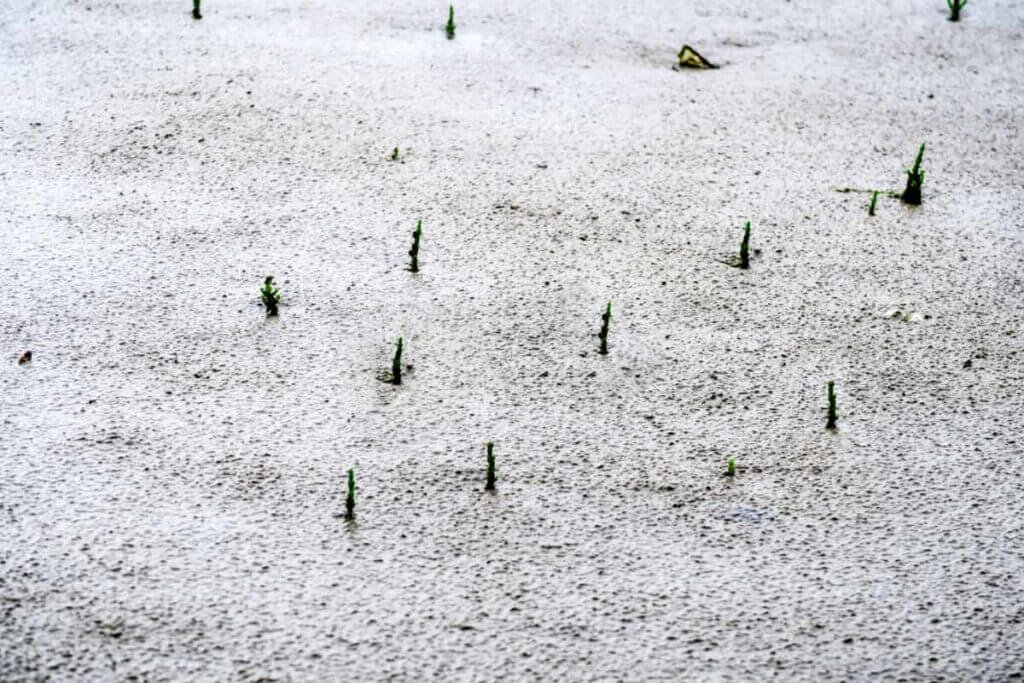
Resilient plants like Common Cordgrass (Spartina anglica) and Glasswort (Salicornia) dominate the intertidal mud of the Lindisfarne Pilgrims’ Way. These species, particularly the pioneer Glasswort, are essential for stabilizing the silt, thriving even when submerged by the North Sea tide.
Walking the Historic Pilgrims Way to Holy Island
The 3-mile (4.8 km) Pilgrims’ Way, marked by tall poles, offers an immersive 75-minute to 2-hour journey across the mudflats. The experience connects visitors to the area’s deep spiritual and natural history. If you are walking to Holy Island It is highly recommended to join an authorized local guide, with booking options available through GetYourGuide.
The Barefoot Experience: Connecting with the Mudflats
For many walkers, the true magic of the Pilgrims’ Way is experienced entirely barefoot, honoring the centuries-old tradition of the pilgrims who came before. Stepping onto the sands, you immediately connect with the earth. Underfoot, the terrain shifts constantly—moving from slightly firm stretches to deep, squelchy, cold patches of mud. There is a superb, therapeutic feeling as the lovely, cold sand squelches right up between your toes, accompanied by the gentle rush of a thin sheen of water running over your feet.
As you progress, you will cross small water channels a few inches deep, making the journey feel like a true expedition. While you might occasionally feel a few sharp shells beneath your soles, the soft mud safely absorbs them, allowing them to squelch into the sand without causing any pain. Giving up your footwear allows you to fully slow down and immerse yourself in the tactile, living landscape of the North Sea estuary.
Pro Photography Tips for the Tidal Path
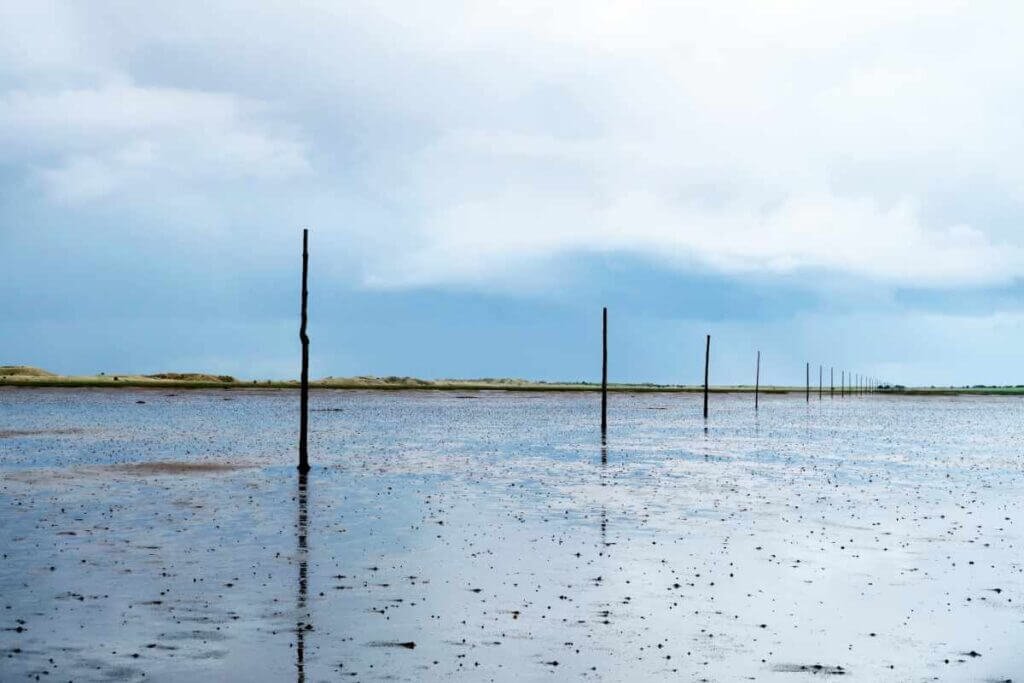
Capturing the vast, reflective landscape of the sands requires a mix of technical awareness and creative framing.
- Emphasise Visual Depth with the Poles: The long, stitching line of upright wooden posts provides the perfect opportunity to practice the “rule of thirds”.
- Align a post along one of the vertical gridlines, or shoot directly down the trail to use them as striking leading lines that draw the eye toward the island.
- Embrace the Textures of Low-Tide Reflection: Crouch low to the ground to catch the sky reflecting off the thin sheen of water remaining on the silt.
- Set your Aperture to f/8 or f/11 to ensure both the sharp ripples of the foreground mud and the distant horizon remain crisply in focus.
- Isolate the Scale of Walkers: To truly convey the sheer emptiness and scale of the sands, wait for other hikers to pull far ahead.
- Use a mid-range focal length to capture a lone silhouette walking between the massive poles against a dramatic North Sea sky.
- Capture the Footprints: Look behind you. A line of bare footprints pressing into the wet, rippled silt toward the horizon makes for a beautiful, symbolic photograph of the spiritual journey.
Essential Safety Information for the Lindisfarne Pilgrims Way Walk
- Check Tide Times: Always verify safe crossing windows with the Northumberland County Council.
- Never Risk It: Only cross during safe windows; otherwise, use the paved causeway road.
- Pack Accordingly: Bring a dry bag, a microfibre towel, and a charged phone.
- Footwear vs. Barefoot: Walking to Holy Island barefoot is highly recommended for a traditional, sensory experience. The soft sand generally swallows up sharp shells so they rarely hurt. However, if you prefer to stay shod, wear sturdy, tight-lacing boots; the thick mud acts like a vacuum and can easily pull wellington boots right off your feet.
- Bring Plenty of Water: Always carry a full bottle of fresh drinking water per person. There are zero water points along the three-mile mudflat crossing, and navigating the heavy sand can be surprisingly strenuous.
Key Milestones Along the Pilgrims’ Way
- The Mainland Causeway Entry (0 miles): This is the transition point where you leave the paved tarmac road, strip off your shoes, and step down into the cold, squelching mud of the vast open mudflats. It is a great spot to look back and see the landscape change from green fields to tidal sands.
- The First Refuge Box (~1.0 mile): The iconic first wooden safety structure standing prominently on heavy stilts out in the middle of the estuary.
- The Tidal Channel Crossing (~1.5 miles): The deepest and muddiest section of the entire trek where the main river channel flows across the flats.
- The Second Refuge Box (~2.2 miles): The final elevated wooden beacon that provides a safety platform before you reach the island.
- Holy Island Shoreline (3.0 miles): Your safe arrival on dry land, positioned right near the historic ruins of Lindisfarne Priory.
Wildlife Watching on the Reserve
- Singing Grey Seals: Look and listen out toward the distant sandbanks and rocky reefs flanking the isle of Lindisfarne. Large colonies of grey seals are commonly found resting on the banks. On quiet days, their haunting, musical howling echoes clearly across the open water. About three-quarters of the way through the walk, the atmosphere transforms as the haunting, musical howling of the seals echoes clearly across the open mudflats. It is an amazing, deeply calming sound that feels almost angelic, perfectly complementing the quiet, spiritual rhythm of the journey.
- Migrating Pale-Bellied Brent Geese: If you are walking during the cooler autumn and winter months, you will likely witness thousands of pale-bellied brent geese flying in striking skeins overhead. These birds migrate directly from Svalbard, and the Lindisfarne National Nature Reserve serves as their only regular wintering ground anywhere in the United Kingdom.
- Wading Birds: As the tide pulls back, the exposed flats become an active feeding ground. Keep your eyes peeled and your shutter speed fast to catch curlews probing the silt with their long, curved bills, alongside flocks of dunlin, redshanks, and oystercatchers dancing along the water’s edge.
A Moving Encounter: The Hand-Fed Orphan of Lindisfarne
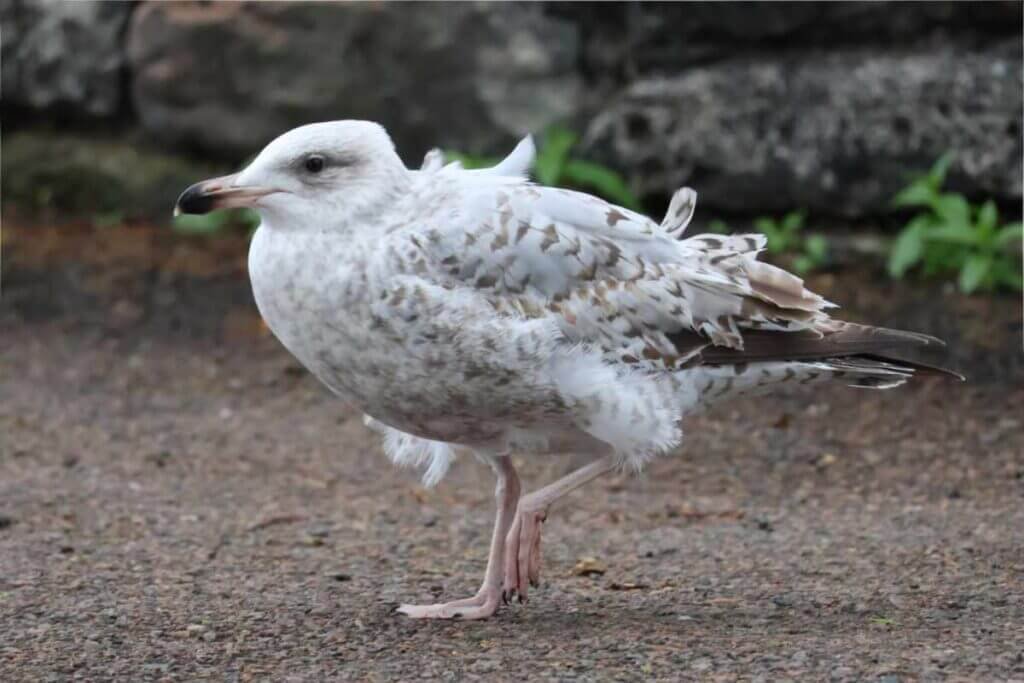
While capturing wildlife portraits along the island path, I encountered a remarkably tame juvenile herring gull with a heartbreaking backstory. Local islanders told me the bird arrived entirely alone last year. To keep it alive, the community began feeding it, but it became completely dependent on human care. When I offered it some of the bird fat pellets I always carry, it wouldn’t eat them off the ground; it would only accept food if I placed it directly into its mouth, exactly like a mother bird feeding a chick. It was a profoundly touching, angelic moment that highlighted the fragile relationship between the island’s wildlife and the travelers who cross the sands.
Ethical Wildlife Rules: Protecting the Seal Colonies
While encountering the local grey seals is a major highlight of the Pilgrims’ Way, we are visitors in their home. Disturbance from humans can cause severe stress, waste precious energy reserves, or cause panicked stampedes that injure pups. To ensure your photography is entirely ethical, you must strictly follow these local marine mammal safety rules:
- Maintain a Minimum 100-Metre Distance: Never approach a resting seal on a sandbank closer than 100 metres. If you are walking on the mudflats and spot a group hauled out on the banks, do not alter your path to get nearer to them. If you need a close-up photo, use a long telephoto lens (such as a 300mm or 400mm) rather than moving your physical body closer.
- Watch for Early Warning Signs of Distress: Pay close attention to the seals’ behaviour through your viewfinder. If a seal sits up, raises its flippers, looks directly at you, or begins moving slowly toward the breaking waves, it feels threatened by your presence. If you notice any of these alert behaviours, you must immediately and quietly back away to a more comfortable distance.
- Never Get Between a Seal and the Sea: Marine mammals must always have a completely clear, unblocked escape route to the deep water. Never walk around the seaward side of a sandbank where seals are resting, as blocking their path to safety will instantly trigger intense panic and a flight response.
- Keep All Noise and Movement Minimal: Estuaries carry sound incredibly far over the open mud flats. Keep your voice down to a quiet whisper, do not make any sudden or jerky gestures with your camera gear, and never wave or shout to get a seal to look up toward your camera lens for a photograph.
History of the Path
Lindisfarne Priory, founded by St. Aidan in 635 AD, was the center of Northumbrian Christianity and the birthplace of the Lindisfarne Gospels. The path is deeply tied to St. Cuthbert, whose legacy transformed the area into a significant pilgrimage site. Holy Island Lindisfarne walk forms the dramatic tidal section of the St Cuthbert’s Way.
The History of the Holy Island Refuge Boxes
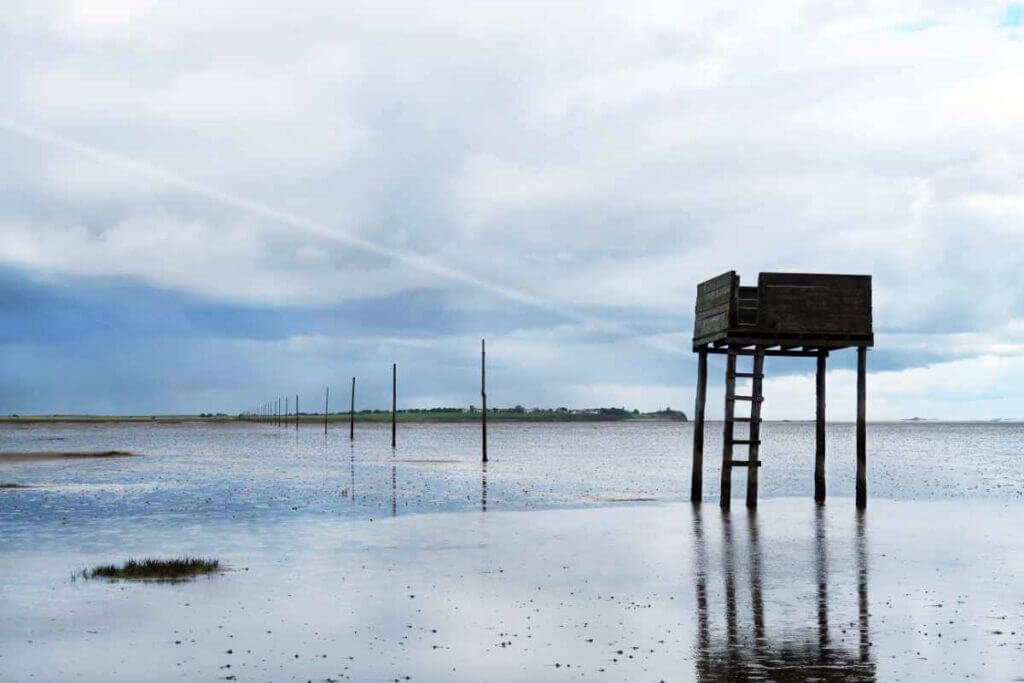
Long before the modern paved causeway was constructed in 1954, these elevated boxes were built as literal lifesavers. Because the North Sea tide sweeps across the flats incredibly fast, walkers historically found themselves cut off and disoriented by sudden fog or rapidly rising waters.
The safety boxes were designed to give stranded travellers a place to climb above the surging waves while waiting out the high tide until rescue arrived. Today, they remain a poignant reminder of the sea’s power and stand as the most recognizable historical landmarks on the entire walk.
The intertidal mudflats and coastal saltmarshes form a rich ecosystem, making the walk a spectacular journey for nature lovers and birdwatchers alike.
Check out my current camera gear on my photography gear journey page.
Post-Walk Dining
After completing the trek, visitors can enjoy local food at establishments like The Ship Inn or enjoy coffee at the Pilgrims Coffee House & Roastery.
Leave a Reply