Affiliate Disclosure: Welcome! Before we dive in, please note that some of the links in this article are affiliate links. This means that as an Amazon Associate, I earn from qualifying purchases if you click through and buy something. This comes at absolutely no additional cost to you, and it helps me keep creating helpful content for this site. Thank you for your support!
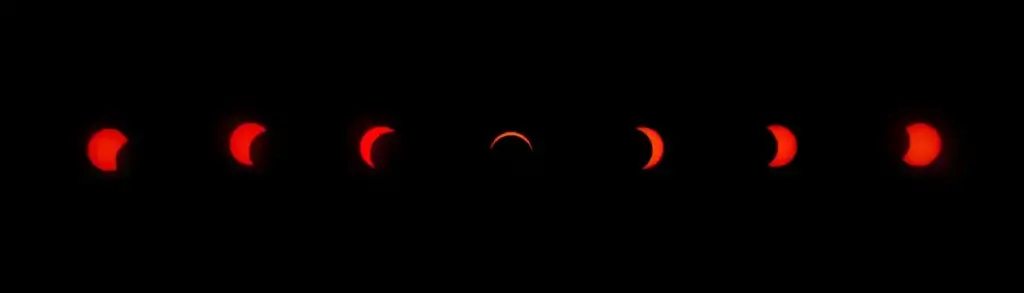
Chasing the eclipse at Ainsdale Beach left me on cloud nine after an intense week of planning.
After a week of intense planning, meticulous solar eclipse research, and building anticipation, the moment has passed—and it succeeded. To stand on a beach, feeling a deep, spiritual sense of awe while knowing I was successfully photographing an event I will never see again in my lifetime, was an unforgettable experience.
But getting the shot wasn’t easy. It required a bit of DIY engineering, a last-minute location pivot, and pushing through a lot of physical pain.
Here is the story of how it all came together.
The Gear Hack: Improvising Under Pressure
Preparation started weeks in advance, but I hit an early roadblock: I couldn’t source my preferred choice of a standard, screw-in solar camera filter anywhere. With time running out, I had to improvise.
I ordered a Celestron EclipSmart Imaging Kit alongside a 67mm filter holder adapter ring. Back at home, I carefully aligned the solar filter to the adapter ring and securely bound them together using Scotch painters tape. It wasn’t the traditional setup, but the prep was done, the seal was completely light-tight, and my camera sensor was safe.
Chasing the eclipse: Planning the Day
I spent every single day of the week leading up to the eclipse researching camera settings and scouting locations. I knew I needed a clear view, ideally a high vantage point or a beach facing west.
Originally, my heart was set on Crosby Beach. I wanted to use Anthony Gormley’s famous iron statues as a dramatic foreground for the shots. However, on the day of the eclipse, I found out a massive music festival was being held at Crosby. Knowing the crowds would be immense, I made a swift, last-minute decision to pivot to Ainsdale Beach instead.
I set off early at 3:30 PM because beach parking was opening at 4:00 PM. It was brutally hot—far too hot for my liking. To make matters worse, I realized I had forgotten to pack my folding chair. I ended up sitting in my car with all the doors thrown open until 5:45 PM just to stay out of the sun until it was time to set up.
15 Minutes of Panic on the Sand
Once on the sand, I set my tripod low to capture the dramatic shoreline foreground—a tip I’d picked up online. This meant kneeling directly on the beach. As a back pain sufferer, I knew it would be a challenge, but I completely underestimated just how agonizing those two hours would become. Ironically, the physical torment was for nothing; the sun stayed a bit too high in the sky, making it impossible to frame the foreground anyway.
The stress started immediately. When you put a certified solar filter on a 100-400mm lens, everything through the viewfinder goes completely pitch-black. Because you cannot look directly at the sun with the naked eye to line up your shot, you are aiming blind. I spent a good 10 to 15 minutes in a total panic just trying to locate the sun through the camera.
Chasing the Sun: My Starting Settings
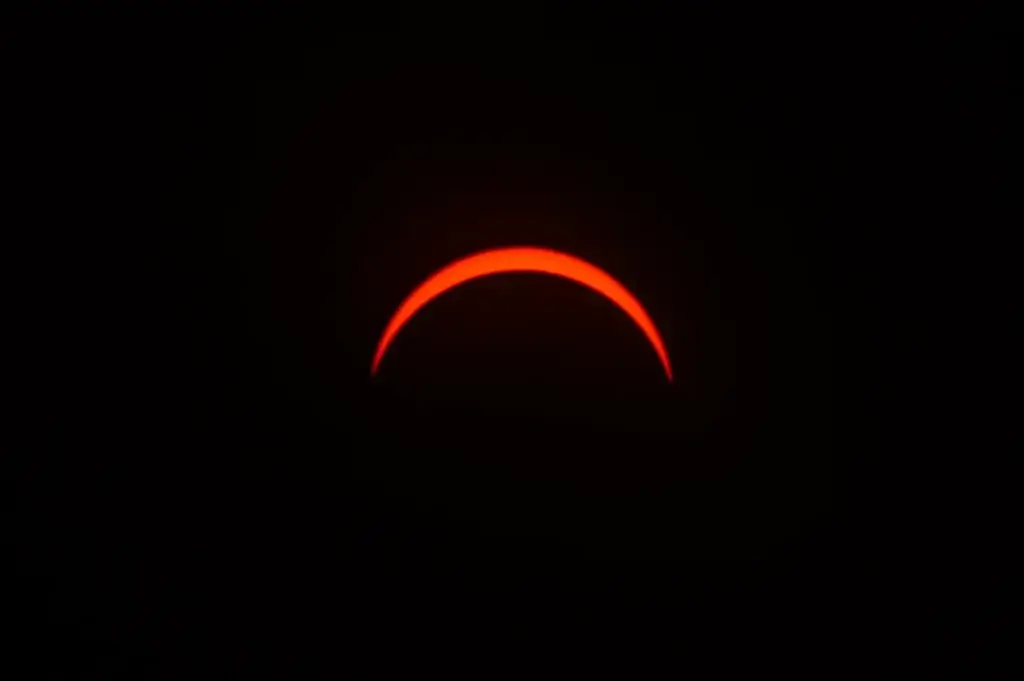
Once I finally centered the sun in my frame, I adjusted my settings. I was shooting on my Canon EOS R10 with a 100-400mm lens (fully extended to 400mm) mounted on tripod.
I started in Manual mode with the following baseline:
- Aperture: f/9
- White Balance: Daylight
- ISO: 100
- Exposure: +/-2 Bracketing
- Shutter Speed: Started at 1/500, but because the filter made it so dark, I quickly dropped it to 1/250.
- RAW format
While shooting the eclipse required slowing things down to handle the darkness, this exact camera setup is also capable of capturing extreme speed. To see how the same body and lens handled hundreds of high-speed raptors in mid-air, check out my photography guide for visiting the Gigrin Farm Red Kites.
From that moment on, it was a game of constant vigilance. The sun moves surprisingly fast across a tight 400mm frame…
From that moment on, it was a game of constant vigilance. The sun moves surprisingly fast across a tight 400mm frame. Every minute or two, I had to carefully readjust the camera on the tripod to keep it centered.
Even more challenging was managing the light. As the moon steadily covered the sun, the sky darkened, and the light dropped drastically. I had to continuously roll my shutter speed down to compensate, reaching a minimum of 1/50 at the very height of the eclipse, before rolling it back up as the sun began to emerge and brighten again.
To prevent any camera shake, I used a strict 2-second timer delay, taking photos every few minutes at the beginning and end, and every single minute during the peak.
A Spiritual Payoff
By 7:45 PM, the pressure was back on. Beach parking was closing strictly at 8:00 PM, meaning I had to quickly pack down my gear while completely exhausted.
My body was in absolute agony from kneeling for two solid hours, but the physical pain completely dissolved into the background. During the height of the eclipse, I would glance at my screen to make sure the timer was doing its job, and then I would simply look up through my eclipse glasses.
It was a deeply moving, spiritual experience. The sheer scale of it puts everything into perspective. I came away from that beach completely drained from the week of buildup and the intense physical effort, but knowing the images on my card were a success made every second worth it.
Leave a Reply