Affiliate Disclosure: Welcome! Before we dive in, please note that some of the links in this article are affiliate links. This means that as an Amazon Associate, I earn from qualifying purchases if you click through and buy something. This comes at absolutely no additional cost to you, and it helps me keep creating helpful content for this site. Thank you for your support!
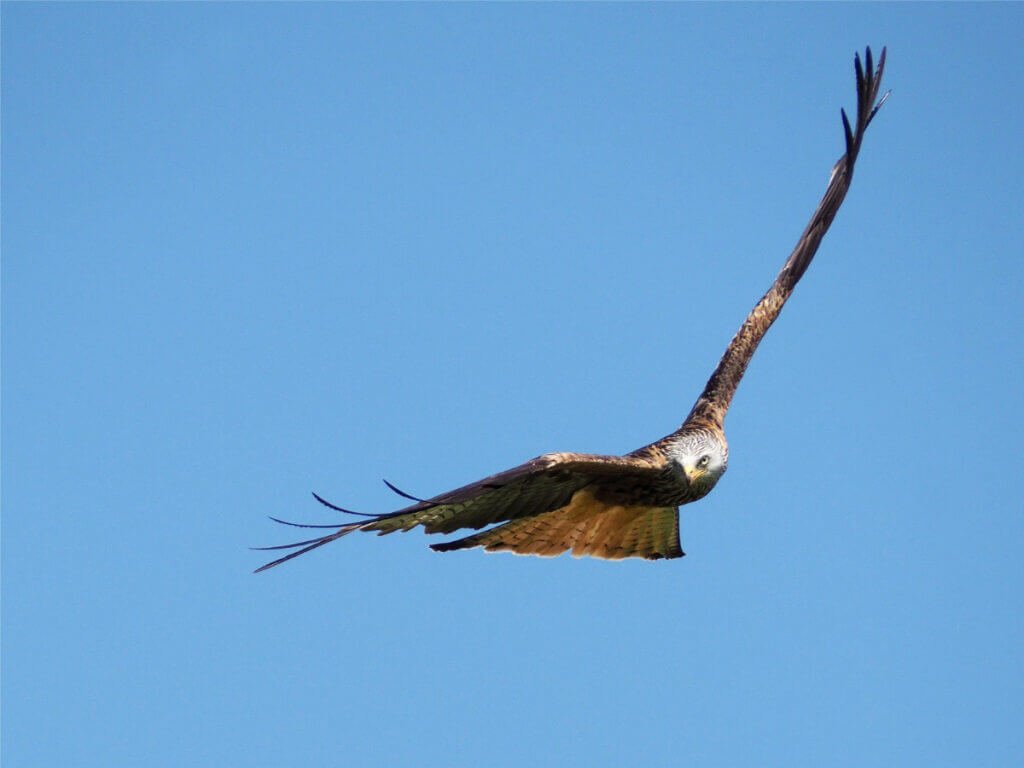
There are some wildlife experiences that leave a permanent mark on you, remaining vivid in your memory long after you have packed away your camera kit. For me, visiting the Gigrin Farm Red Kites in Rhayader, Mid-Wales is exactly one of those moments.
If you want to witness one of the grandest aerial spectacles in the UK, this is where you need to go. You are placed literally just a few feet away from hundreds of wild raptors inside specialized viewing hides, offering an unparalleled view of these magnificent birds of prey.
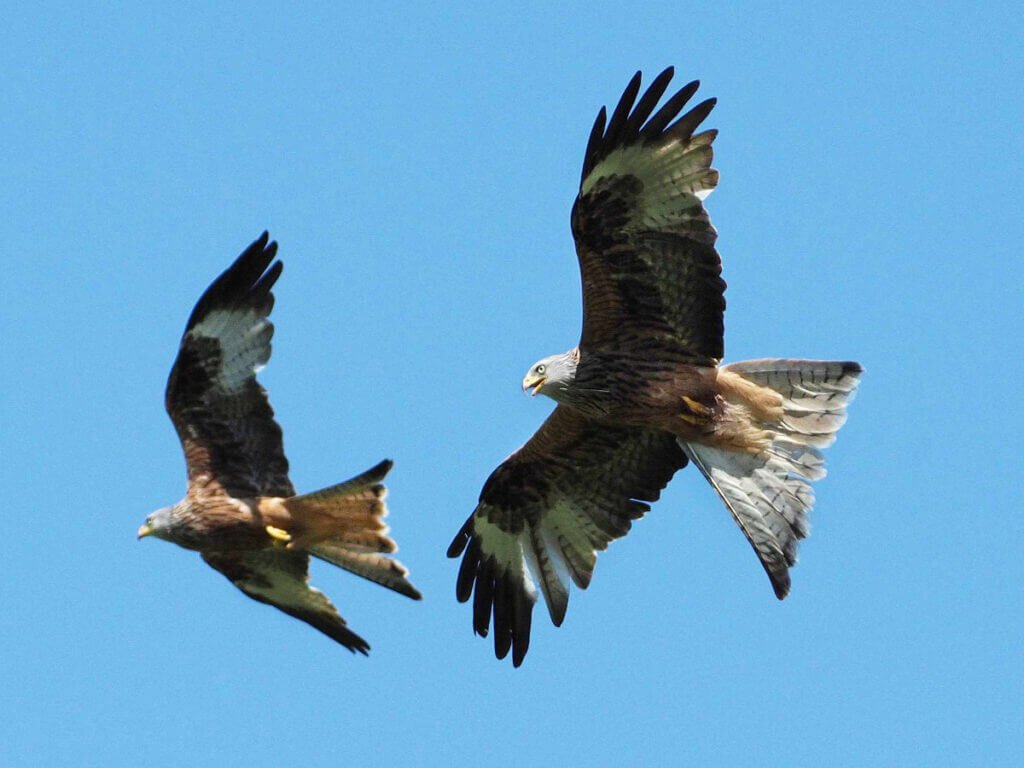
The Anticipation: Watching and Waiting for the Gigrin Farm Red Kites
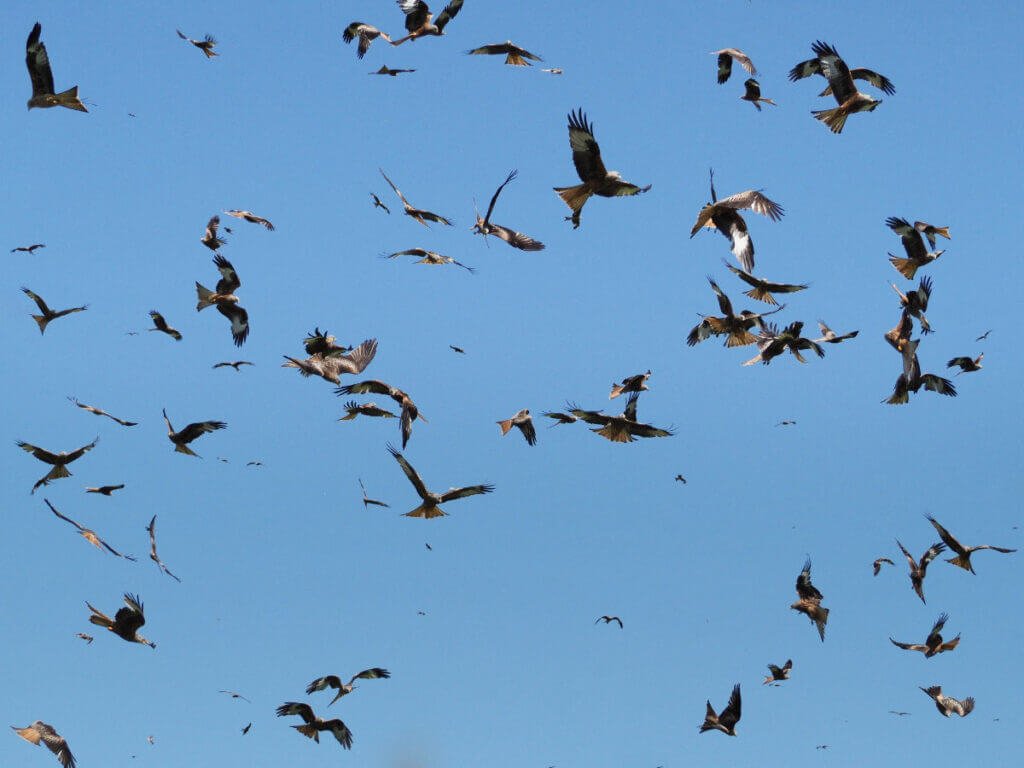
Before the feeding even begins, you can feel the energy of the site shift. The red kites already know the exact time of day that lunch is served.
As you wait inside the hide, you can look up into the surrounding trees and watch them begin to gather. Dozens of birds sit quietly in the branches, watching, waiting, and building up in numbers. It is a silent, dramatic prelude to the mayhem that is about to unfold.
Majesty in Motion: The Swoop
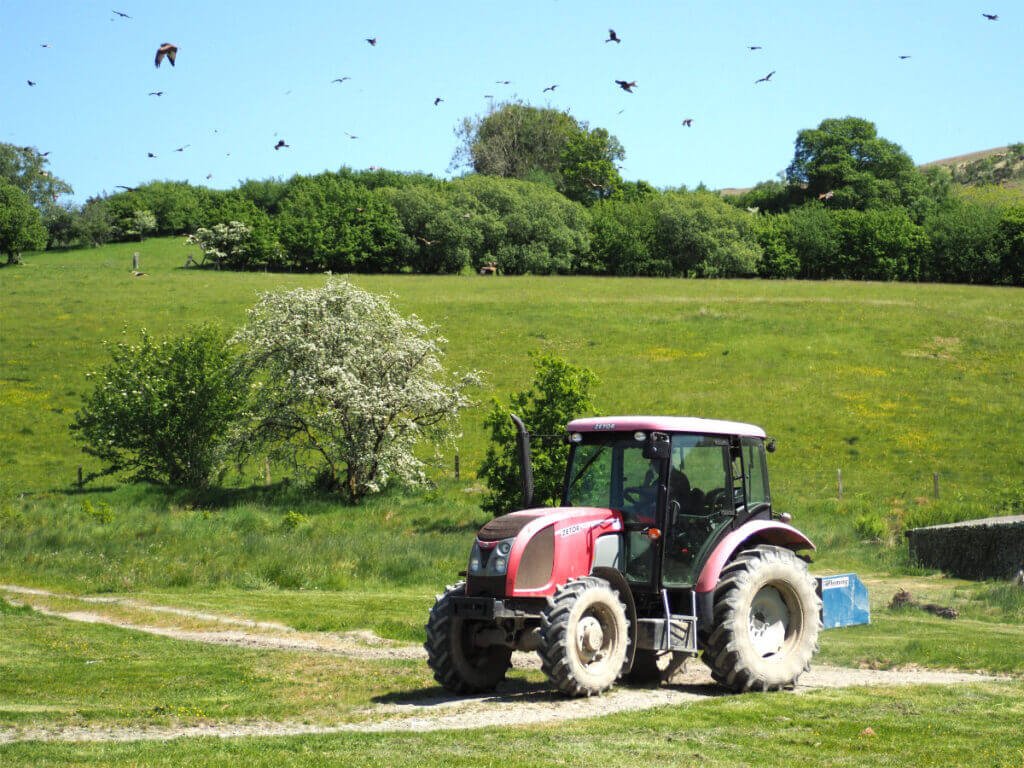
Once the farmer takes the tractor out and shovels the food all around the field, the sky completely erupts.
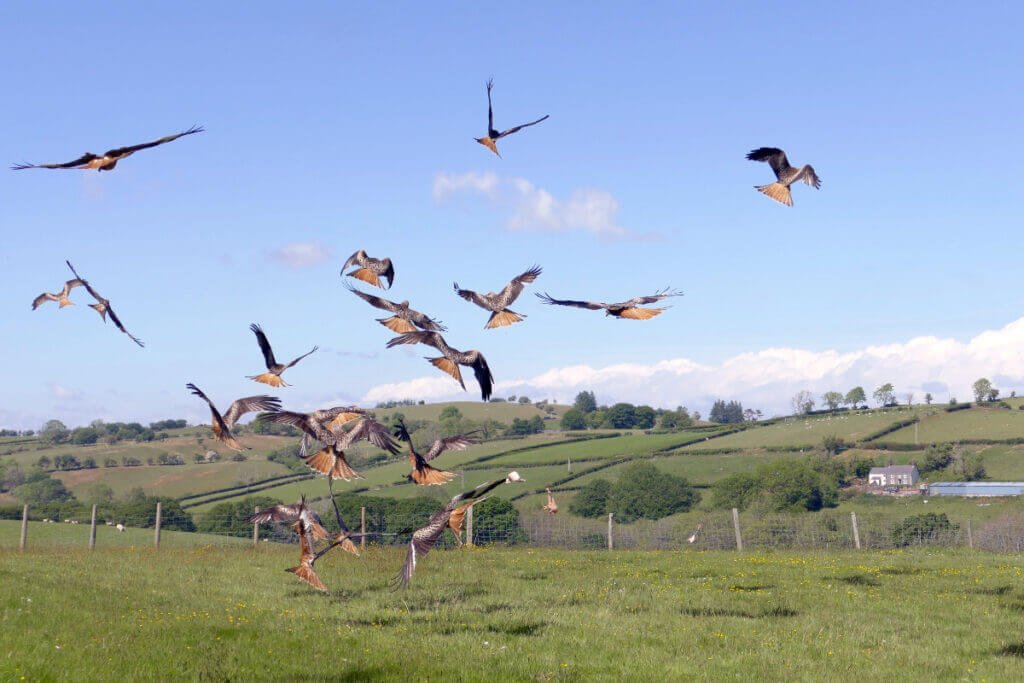
Unlike many other birds of prey that land to eat, the red kites rarely touch the ground. Instead, they swoop in with breathtaking elegance, snatching the food cleanly from the ground while remaining mid-flight. Watching them drop their bright yellow legs, open their talons, and scoop up a meal without ever breaking their momentum is a truly majestic sight.
The Photographer’s Challenge: Tracking Extreme Speed
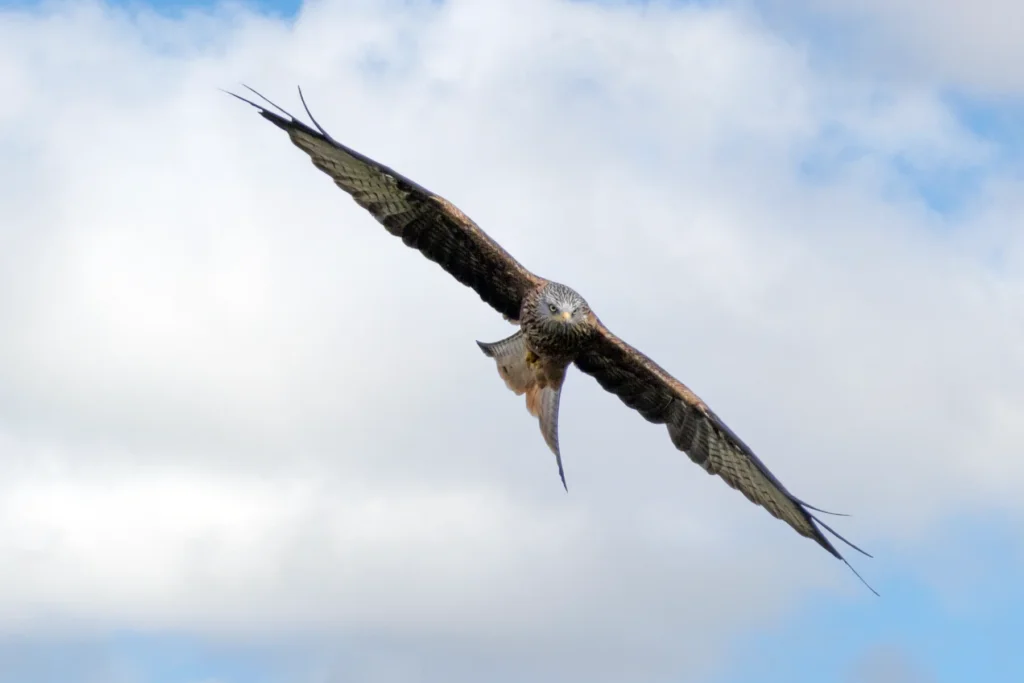
Camera Settings: Canon EOS R10 | 100-400mm lens @ 400mm | f/8 | 1/2000s | ISO 500 | +1 EV
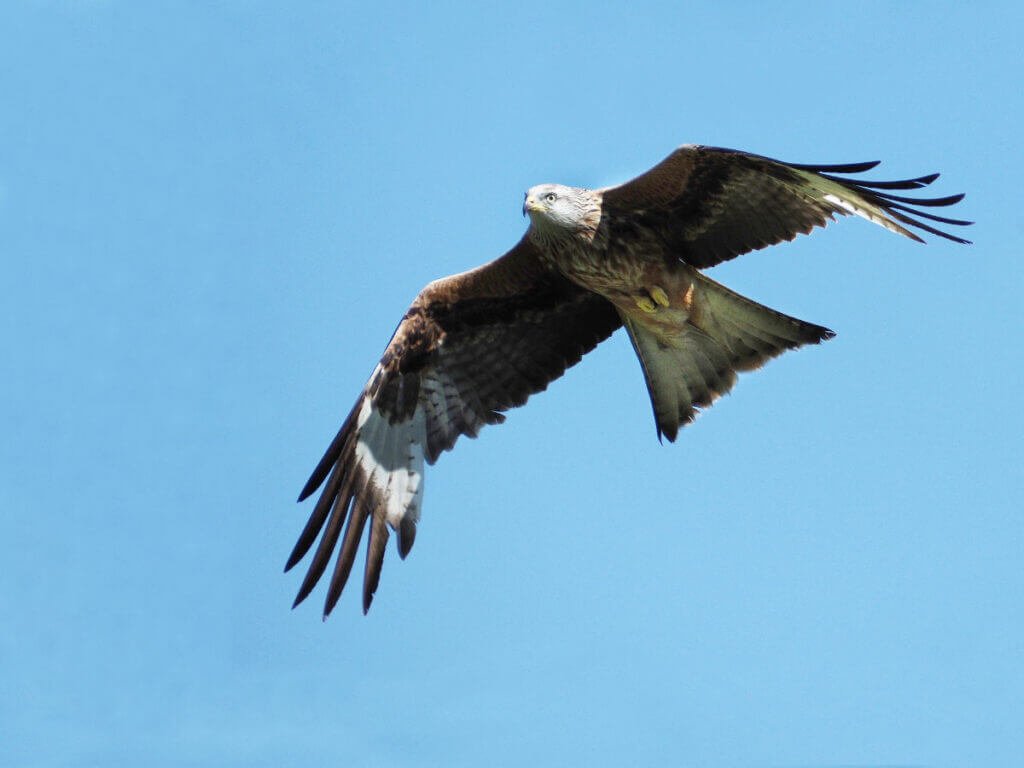
Tracking Gigrin Farm’s Red Kites is an incredibly difficult shoot, demanding immense patience to lock onto their erratic, high-speed movements. To secure sharp shots, consider these recommendations:
- Shutter Speed: 1/2000s or faster for sudden movements.
- Aperture: f/4 – f/5.6 to balance light and sharpness.
- Autofocus/Drive: Use continuous tracking (AF-C/AI Servo) and high-speed burst mode.
- Field Techniques & Positioning: Use elevated angles to stay eye-level with circling birds, or get low down if you want to capture them swooping in to grab food. Handhold your gear rather than locking it onto a rigid tripod for fast, fluid movement.
Real-World Settings: Lessons from My Second Visit
During my second visit, I had to adapt quickly to the changing conditions. Here is the exact setup I used, along with a few lessons I learned the hard way:
- Camera & Lens: Canon EOS R10 | 100-400mm lens
- Shooting Mode: Manual (M) with Auto ISO
- Settings: 1/2000s | f/8 | +1 EV Exposure Compensation
- Autofocus/Drive: Use continuous tracking (AF-C/AI Servo) and high-speed burst mode.
- ISO Range: Auto ISO capped at a maximum of ISO 3200 (to prevent excessive digital noise).
The Exposure Balancing Act: Sky vs. Grass
Keeping these high-speed birds properly exposed is incredibly tough because they constantly transition between the bright, open sky and the dark green grass below.
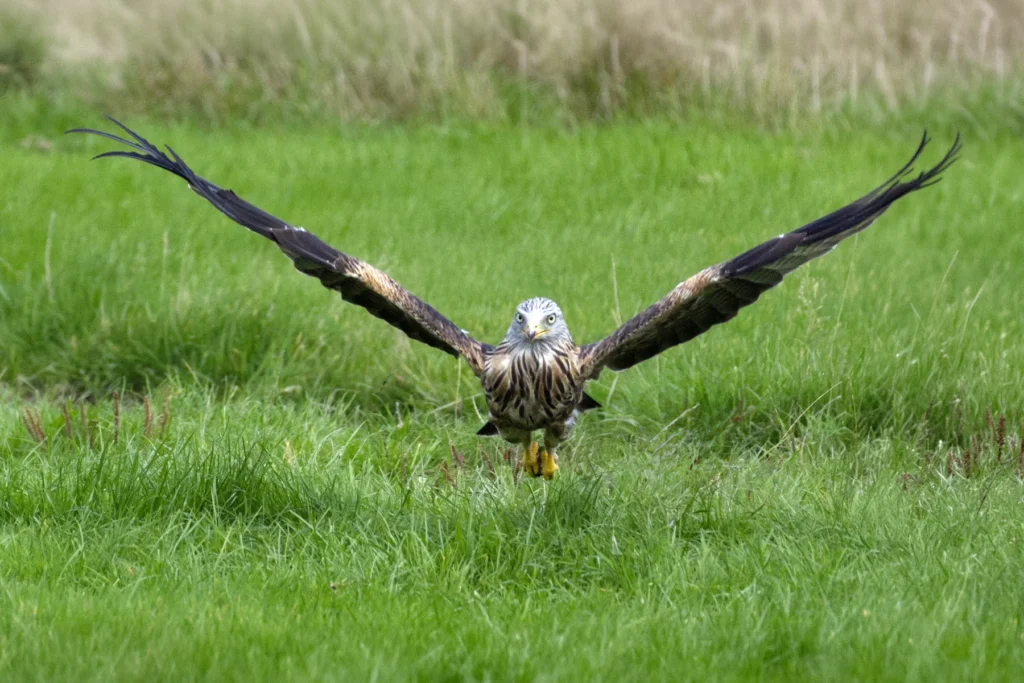
Camera Settings: Canon EOS R10 | 100-400mm lens @ 400mm | f/8 | 1/2000s | ISO 3200 | +1 EV
To manage this, I relied on Evaluative Metering, which on the Canon R10 links light calculation directly to your active autofocus point. This meant that as my camera tracked the raptors via Animal Eye AF, it automatically prioritized the exposure exactly where the bird was in the frame.
Even with evaluative metering doing the heavy lifting, I dialed in +1 EV exposure compensation to prevent the kites from silhouetting against the pale backdrop. Looking back at my raw files, the birds still came out a bit too dark, forcing me to aggressively lift the shadows in post-processing. While pushing the exposure compensation up to +1.3 or +1.7 EV would have given me cleaner details under the wings, it likely would have completely blown out the sky. It is a non-stop balancing act between preserving your highlights and capturing the rich feather textures of the raptors.
Looking back at my raw files, I actually underexposed the birds a bit too much and had to lift the shadows significantly during post-processing. While I should have pushed the exposure compensation a step higher (to around +1.3 or +1.7 EV) to get a cleaner exposure on the birds’ underwings, doing so would have completely blown out the details in the sky.
It is a constant technical compromise between saving your sky highlight detail and capturing the rich, deep textures of the raptor’s feathers.
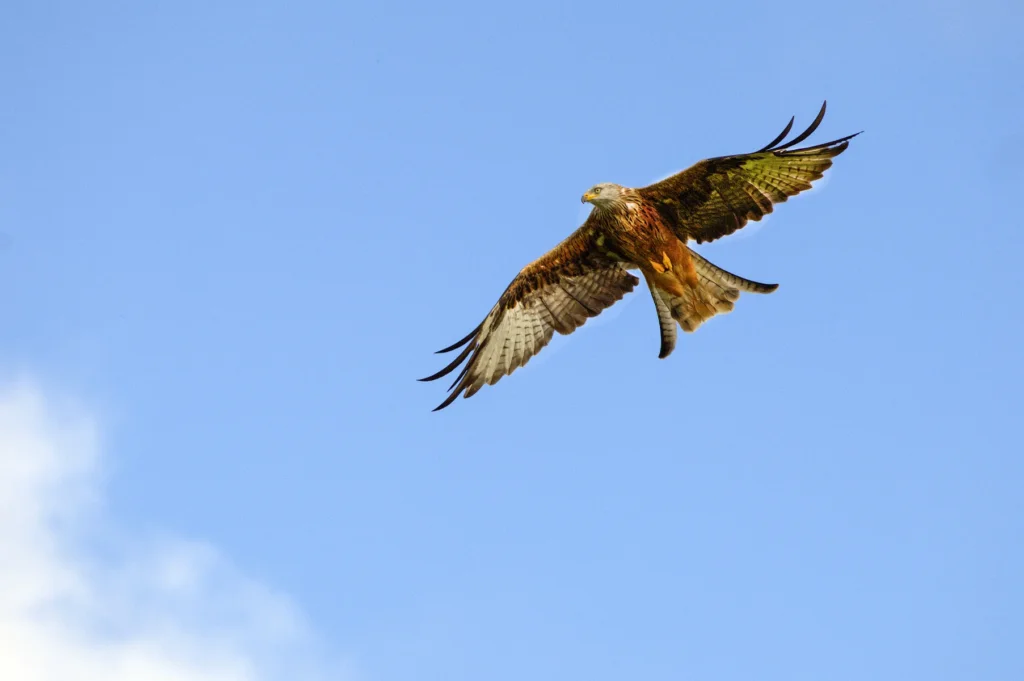
Camera Settings: Canon EOS R10 | 100-400mm lens @ 259mm | f/8 | 1/2000s | ISO 800 | +1 EV
Choosing the Right Hide for Photography
The site features five large, east-facing standard hides placed just meters from the action, offering a front-row seat to the feeding frenzy.
Standard Entry Hides: Access to the regular hides is included with standard admission. Three of these five main hides feature wheelchair-accessible ramp entry. Hide 5 is closest to the dense feeding area, though note it does not permit dogs (while dogs on short leads are welcome in standard hides 1–4 and the open viewing field).
Specialist Photographic Hides: If you want a more elevated perspective to catch the kites cleanly against the trees rather than the sky, look into booking the dedicated tower options. These include the Gateway Hide, the lower Tower Hide, and the Big Tower Hide. Unlike standard hides, specialist photo spots are highly sought-after and must be booked well in advance.
Opening Times & Daily Feeding Schedule
Gigrin Farm functions as a ticket-only venue with fixed hours based on seasonal light:
- Opening Hours: The farm gates open at 12:30 PM and close at 5:00 PM.
- Seasonal Days: From January to November, the site is regularly open Saturday through Wednesday, staying closed on Thursdays and Fridays (except during school half-terms when it opens daily).
- THE FEEDING EVENT: The kites are fed exactly once daily. Because the birds track the sun, the feeding schedule shifts with the seasons:
- British Summer Time (End of March to End of October): Feeding is at 3:00 PM.
- Greenwich Mean Time (End of October to End of March): Feeding moves earlier to 2:00 PM.
Update: A Magical Return September 2026 & Spotting the “Ghost Kite”
I recently returned to Gigrin Farm simply because I couldn’t resist the draw of watching these magnificent birds gracefully glide, dive, and swoop through the Welsh skies. Once again, the sheer intelligence of these raptors amazed me. As 3:00 PM approached, the sky gradually filled with increasing numbers of kites circling overhead, anticipating lunch with perfect clockwork precision.
Right on time, the distinct sound of the tractor echoed across the farm as it pulled into the field. This time, I set up my camera in Hide Number 3. The action is so incredibly fast-moving that the main frenzy is over in about half an hour, though plenty of birds linger beautifully in the skies long after.
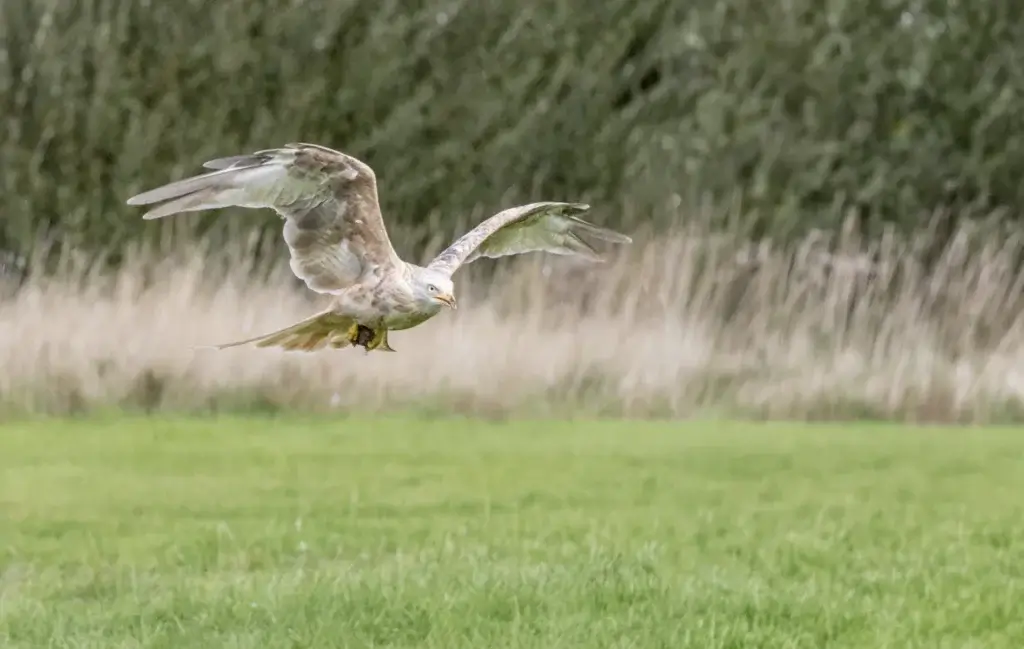
Camera Settings: Canon EOS R10 | 100-400mm lens @ 259mm | f/8 | 1/2000s | ISO 2500 | +1 EV
Before heading to the hides, I noticed an information board mentioning that three ultra-rare leucistic (white) red kites visit Gigrin Farm. Because they lack normal feather pigmentation, they look like white ghosts in the sky. There are believed to be only 10 to 12 of them in the world, so I kept my fingers crossed but didn’t dare hope too much.
Incredibly, against all odds, one appeared—and I managed to photograph it!
Seeing a bird that rare, alongside hundreds of others, makes you realize how inspiring this site truly is. Knowing that the red kite was once on the brink of extinction in the UK makes their thriving presence at Gigrin Farm an absolute triumph. I am already planning my next visit!
Insider Tip:
Arrive right when the gates open at 12:30 PM. It gives you plenty of time to enjoy the coffee shop, explore the 200-acre farm walk, and claim the best seat in the hides at least 20 to 30 minutes before the birds cloud the sky.
Getting the perfect shot isn’t just about your camera settings—it’s also about choosing the right vantage point. Gigrin Farm features a mix of standard viewing facilities and custom built towers to get you close to the action.
| Option / Hide Type | Key Feature | Great For | Estimated Entry Cost (2026 Guide) |
| Standard Entry | Access to viewing field & 5 main hides | General wildlife viewing & families | Adults: £5 / Children: £3 |
| Accessible Hides | Features ramped wheelchair access | Photographers with mobility needs | From £12 |
| Gateway Hide | Low-angle ground hide | Capturing birds diving low over the grass | From £12 |
| The Tower Hides | Elevated, multi-level towers | Getting clean tree-line backgrounds | From £17 – £22 |
Tips for Success
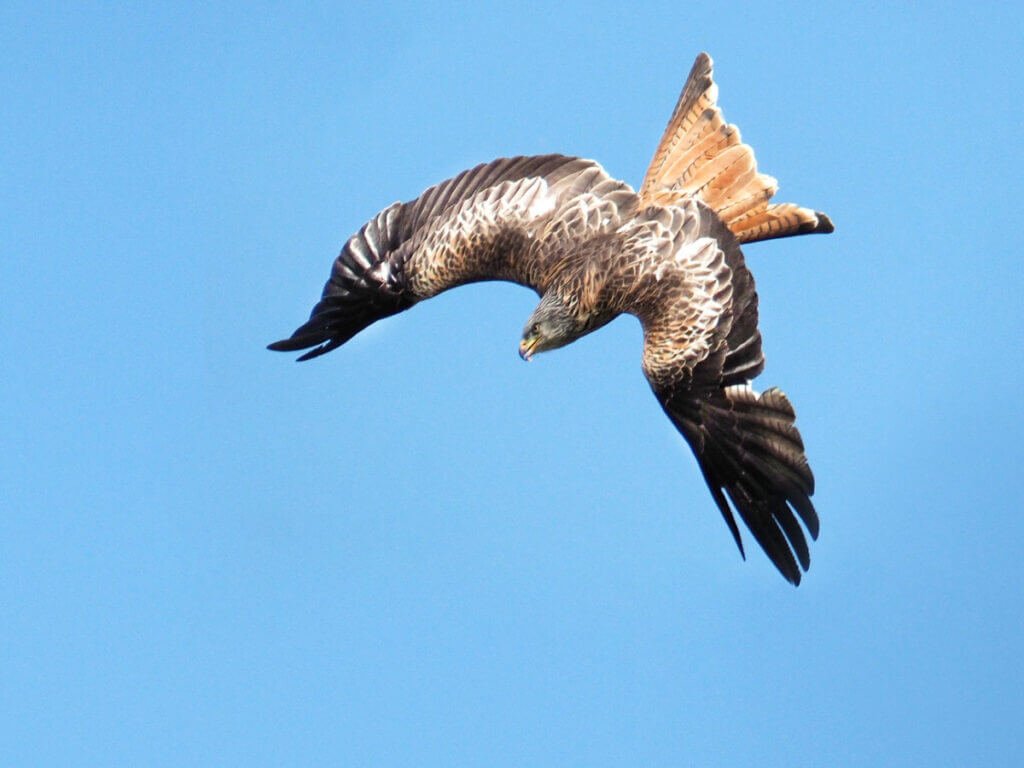
- Predict the Flight Path: Because they move so fast, you cannot simply react to a dive. You have to watch the birds circling overhead, anticipate their trajectory, and try to lock focus before they hit the ground.
- Expect the Unexpected: Just when you think you have a bird perfectly tracked in your viewfinder, another kite will suddenly swoop into the frame out of nowhere, completely breaking your focus.
While high-pressure, capturing a crisp shot of these birds is incredibly rewarding.
What’s in My Camera Bag 2026 for Gigrin Farm?
- Camera: Canon EOS R10
- Lens: 100-400mm
- Compact: Canon Powershot G7X Mark 2 (for wide angle shots instead of changing lenses)
- Essential Accessories: lens cleaning cloth and spare battery
A Lasting Impression
Seeing the sheer elegance, agility, and speed of these birds up close leaves a lasting impression that stays with you forever. It is a powerful reminder of how beautiful the natural world is when you sit quietly and watch it unfold.
Leave a Reply