Affiliate Disclosure: Welcome! Before we dive in, please note that some of the links in this article are affiliate links. This means that as an Amazon Associate, I earn from qualifying purchases if you click through and buy something. This comes at absolutely no additional cost to you, and it helps me keep creating helpful content for this site. Thank you for your support!
For over a decade, visiting Krakow and Auschwitz was a journey I deeply wanted to make, but life—and my devotion to my dogs, whom I could never bear to leave in kennels—always kept me grounded. That changed heartbreakingly in November 2024 when my beautiful nine-year-old cocker spaniel, Izzy, was suddenly diagnosed with advanced heart disease during a routine booster injection. Within three short weeks, she was gone. This was a terrible time, and it still is incredibly hard. But with the house suddenly so quiet and no one left to look after, it meant I finally had the bittersweet ability to make this trip. So, I booked a three-night trip on impulse for March 2026. As a terrified flyer, I barely slept for a week prior to travel, and by the time we landed in Poland, my body was pushing its limits.
Day 1: Arrival in Krakow: Castle Views, Square Wanders, and Unwinding
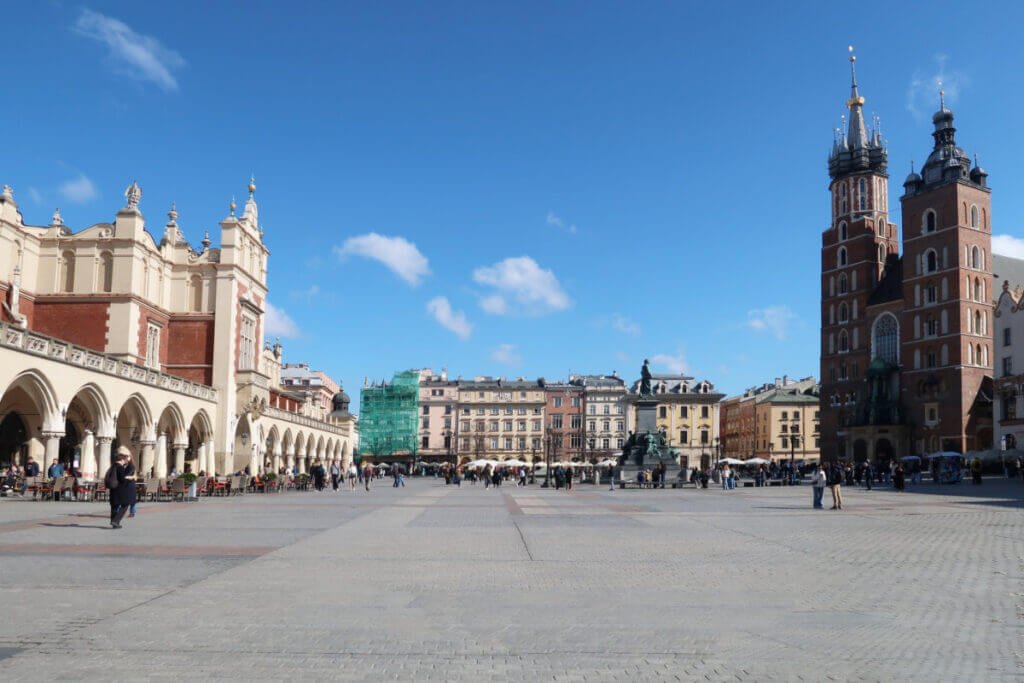
We landed in Kraków in the early afternoon. Since we had eaten a hearty breakfast at Liverpool Airport before taking off, we didn’t need a proper sit-down dinner straight away, but picked up some crusty rolls to take with us on the day trip for the next day. Despite my back and foot pain flare-up, we decided to drop our bags and walk up to the historic Wawel Royal Castle to take in some of the panoramic city views. From there, we slowly wandered down into the vibrant Main Market Square (Rynek Główny).
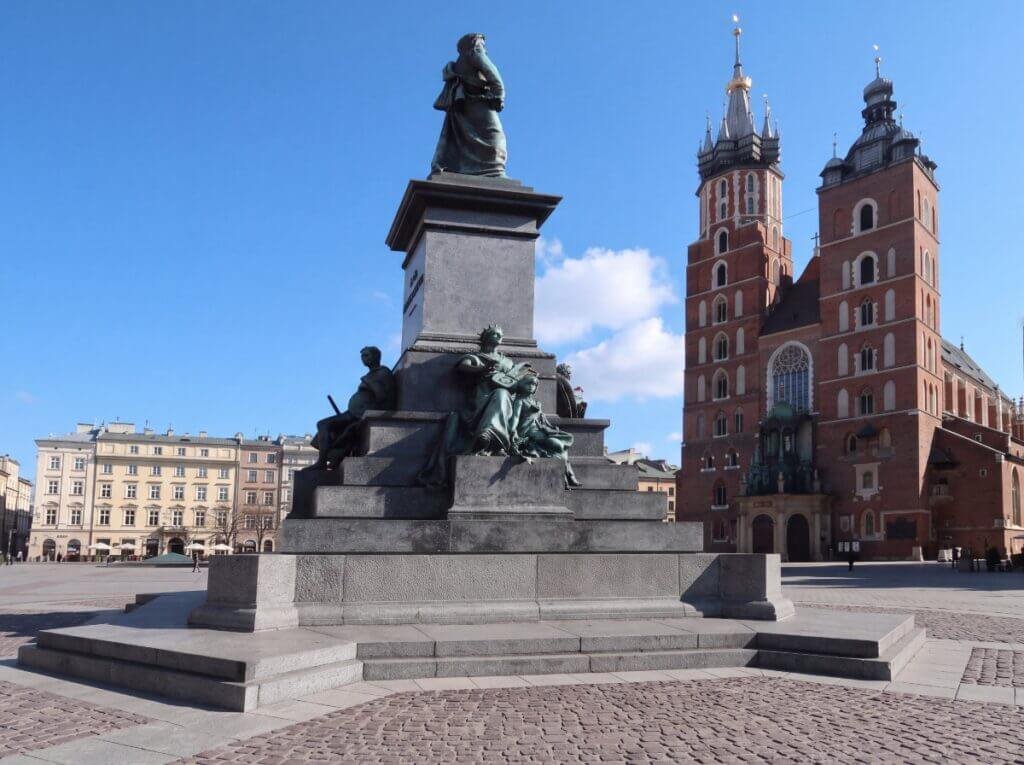
By then, the constant walking had caused the stabbing pain in my foot to intensify, and total travel exhaustion had fully set in. Standing right outside a McDonald’s, looking around at all the unfamiliar places to eat, my partner and I turned to each other and said, “Should we just go in here?” So we did. Honestly, that quick, familiar comfort was exactly what we needed at that moment.
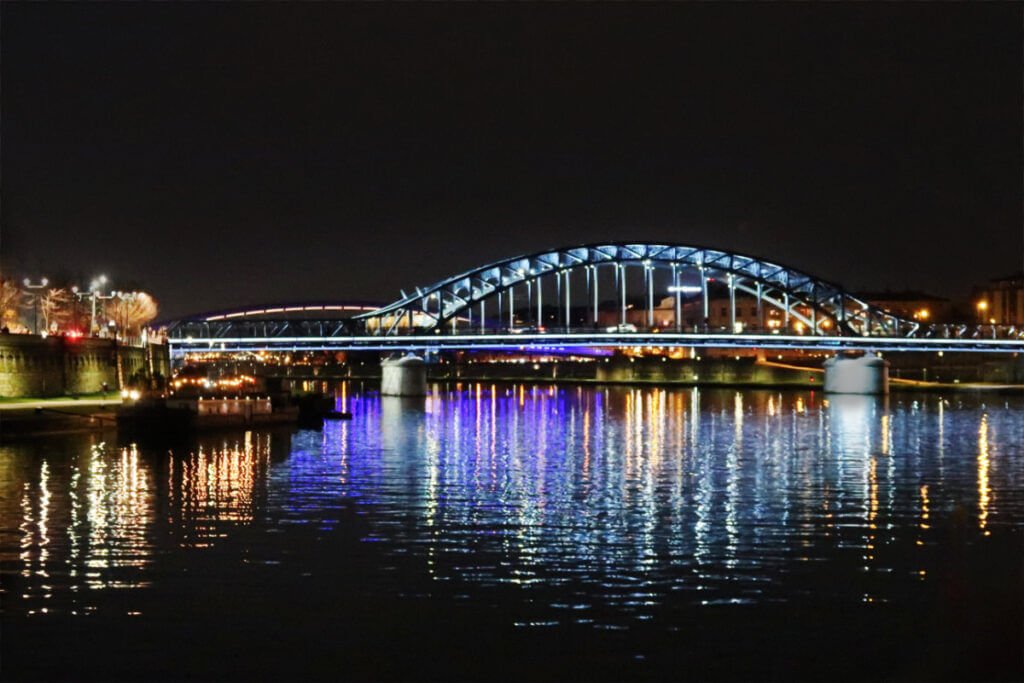
Once we finished eating, we made our way back down to the water for our pre-booked evening river cruise. The modern boat was fully glazed, featuring panoramic windows and a welcome drink bar. As we drifted along the calm Vistula River, Krakow‘s historic skyline beautifully unfolded against the dark night sky. Seeing the majestic Wawel Castle, Skałka Church, and the Monastery of the Norbertan Sisters completely illuminated was an incredible sight. Even though I am passionate about photography, I made a conscious choice to put the camera down for most of the night. I took just a couple of photos to capture the memory—including the glowing blue arches of the Father Bernatek Footbridge reflecting on the water—preferring to just sit back in the chilly evening air and truly relax (You can see the exact camera and lenses I use on my Photography Gear Journey post.
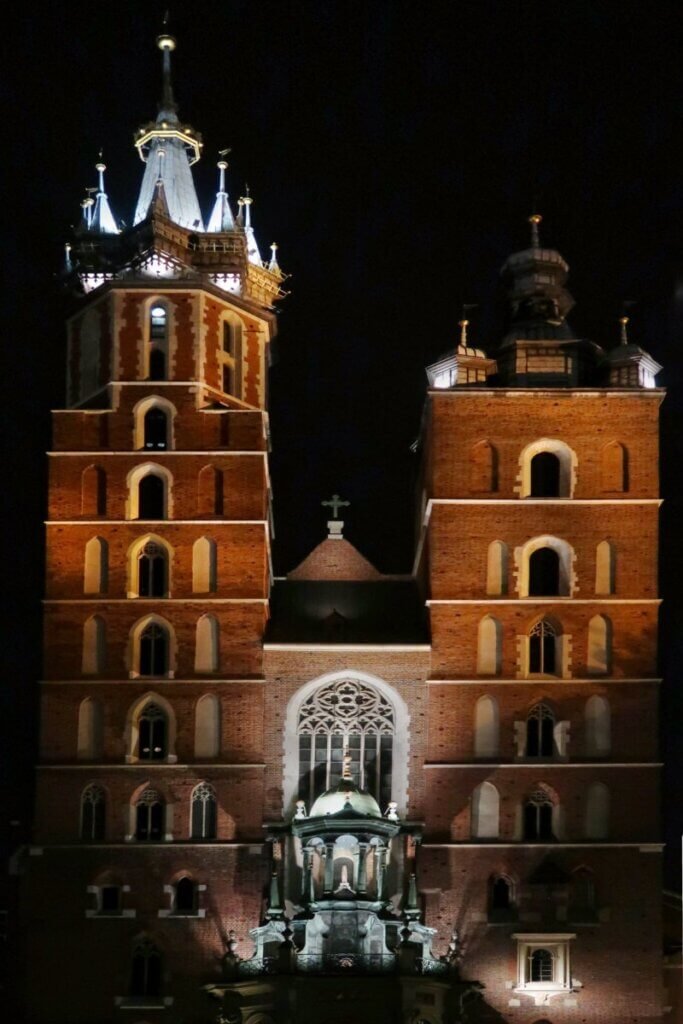
On our way back to the hotel after the cruise, we walked past St. Mary’s Basilica once more. Seeing the towering spires beautifully lit up against the dark night sky was an incredible sight, and despite my exhaustion, I couldn’t resist capturing one last lovely photo of it glowing in the dark.
Day 2: The Double Trip—From Subterranean Wonder to Historical Reflection
Because we only had three nights in Poland, we made the ambitious decision to book a double-excursion for our first full day: a morning touring the Wieliczka Salt Mines, followed immediately by an afternoon at Auschwitz. In hindsight, it was a bittersweet choice. On one hand, it allowed us to witness two of the country’s most significant landmarks. On the other hand, it proved to be a grueling, deeply exhausting day—especially when managing a chronic back condition and an active flare-up of plantar fasciitis.
The Depths of the Wieliczka Salt Mines
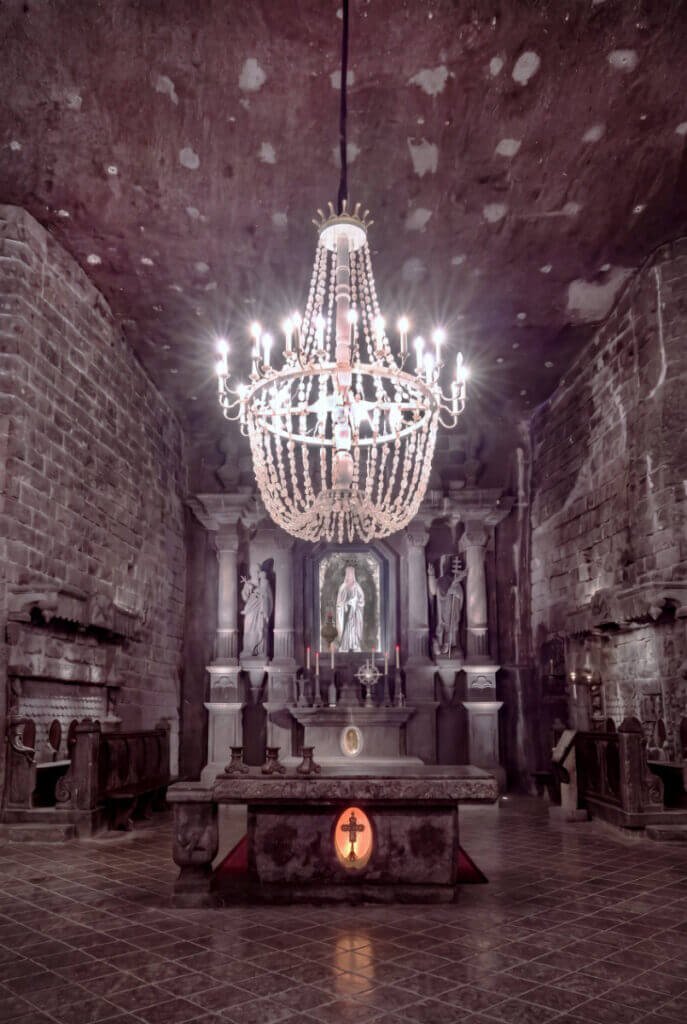
We tackled the Salt Mines first, descending deep into the earth. Walking through the underground tunnels, the sheer scale of the cavernous spaces left me speechless. The absolute highlight was stepping into St. Kinga’s Chapel. Seeing an entire subterranean cathedral completely carved from rock salt—from the intricate religious wall reliefs to the massive, glittering chandeliers hanging from the ceiling—was a true marvel to photograph. However, with every step on the cold, unforgiving stone floors, the stabbing pain in my foot was steadily intensifying. Luckily we had 45 minutes dinner break where we sat and ate out crusty rolls and rested before boarding the coach for Auschwitz.
Pushing Through the Pain at Auschwitz
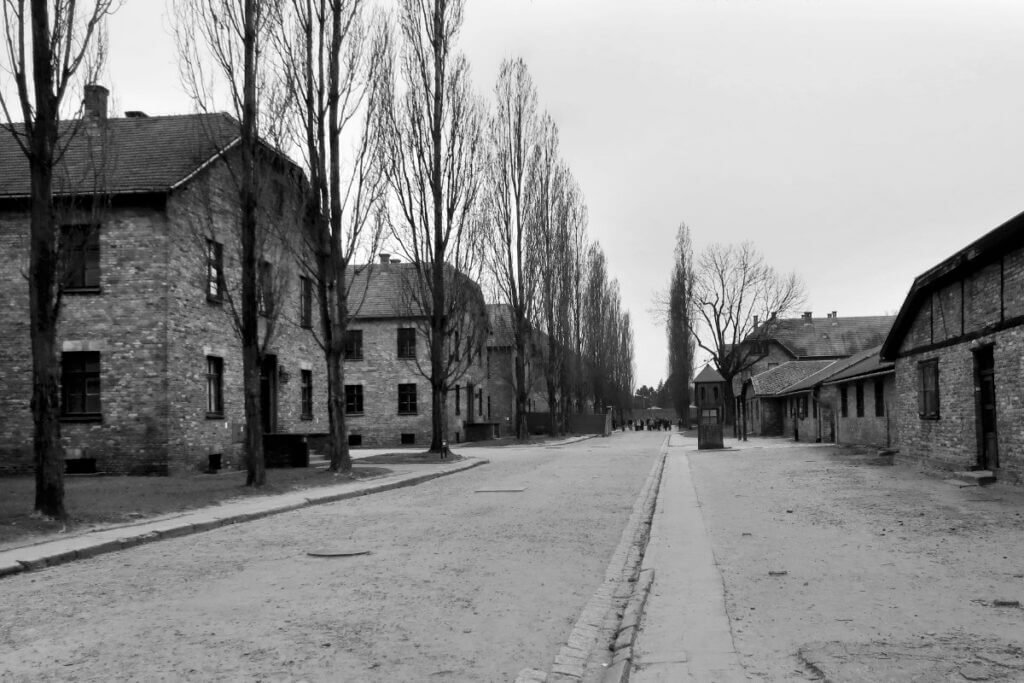
By the time our tour bus pulled up to Auschwitz for the second half of the day, the plantar fasciitis had become completely unbearable. I was quite literally hopping on one foot, unable to bear any weight. Yet, as we walked through those historic gates, the immense weight and solemnity of the location completely overtook me.
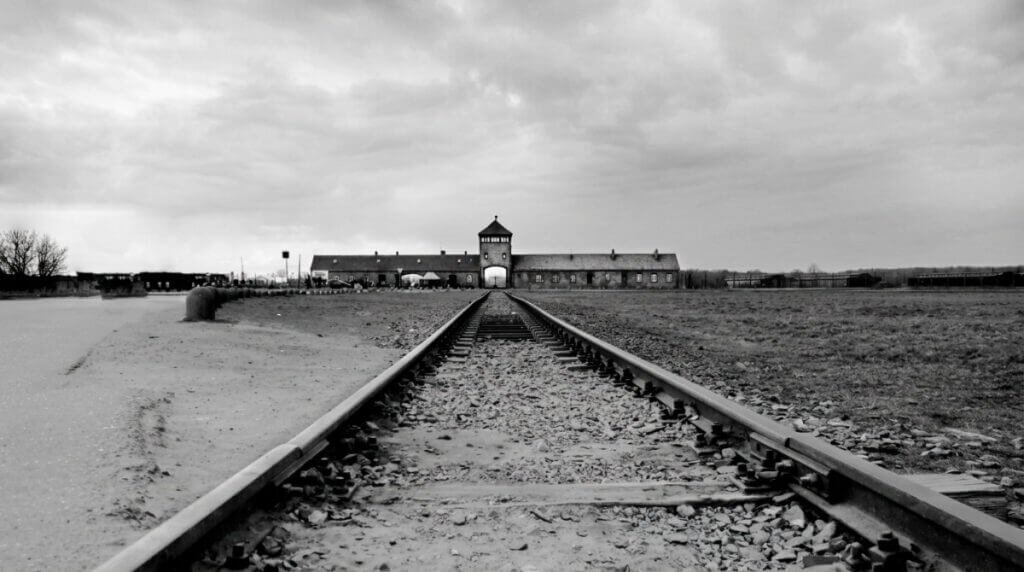
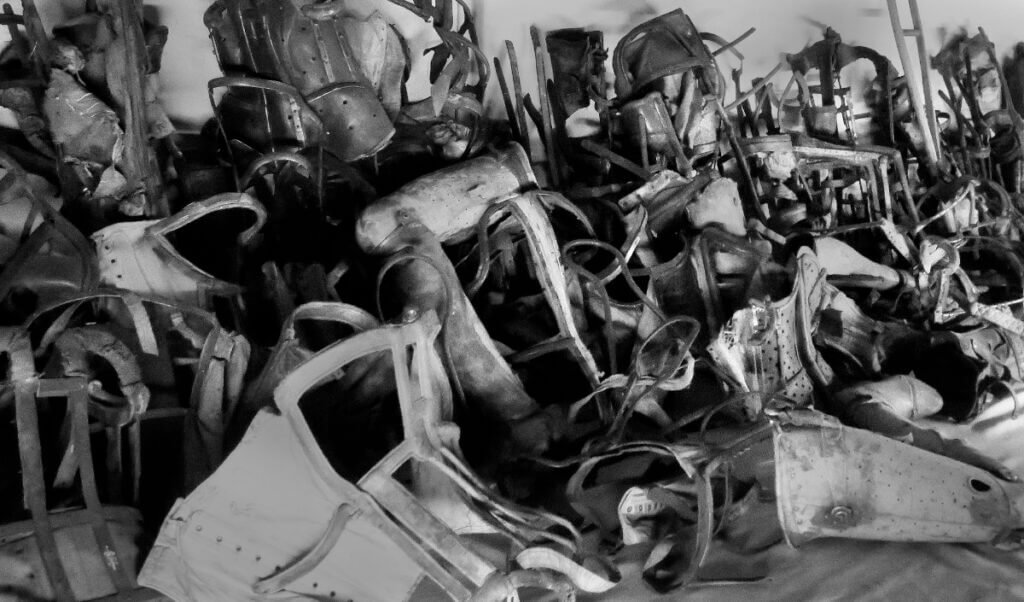
Our tour covered both sites: the main brick camp of Auschwitz I and the vast, open expanse of Birkenau with its iconic railway tracks. Auschwitz is one of those profound places that alters you; it stays with you for life. Standing in the silent courtyard where prisoners were executed, and viewing the massive glass exhibitions filled with thousands of pairs of spectacles, personal luggage, and shoes, was devastatingly moving.
Looking at the crude wooden triple bunks where people endured atrocious conditions, a profound realization hit me: the individuals imprisoned here suffered agonies far worse than anything I was experiencing. Pushing through my own temporary pain felt like the absolute least I could do out of respect for where I was standing. Drawing strength from that perspective, I refused to stop; I dug deep, pushed through the physical agony, and completed the journey.
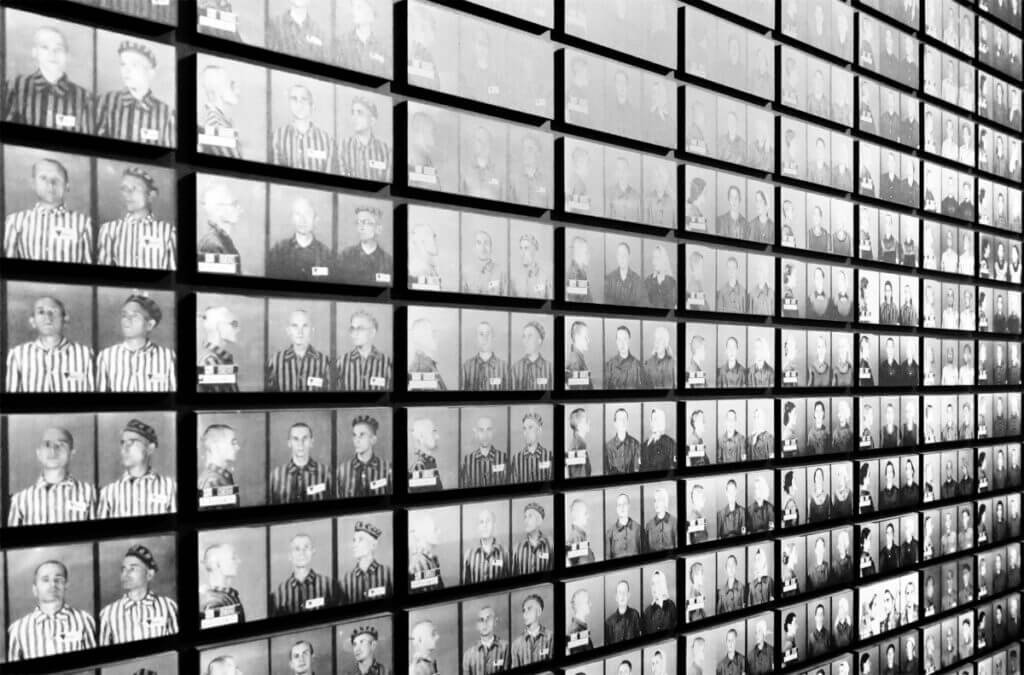
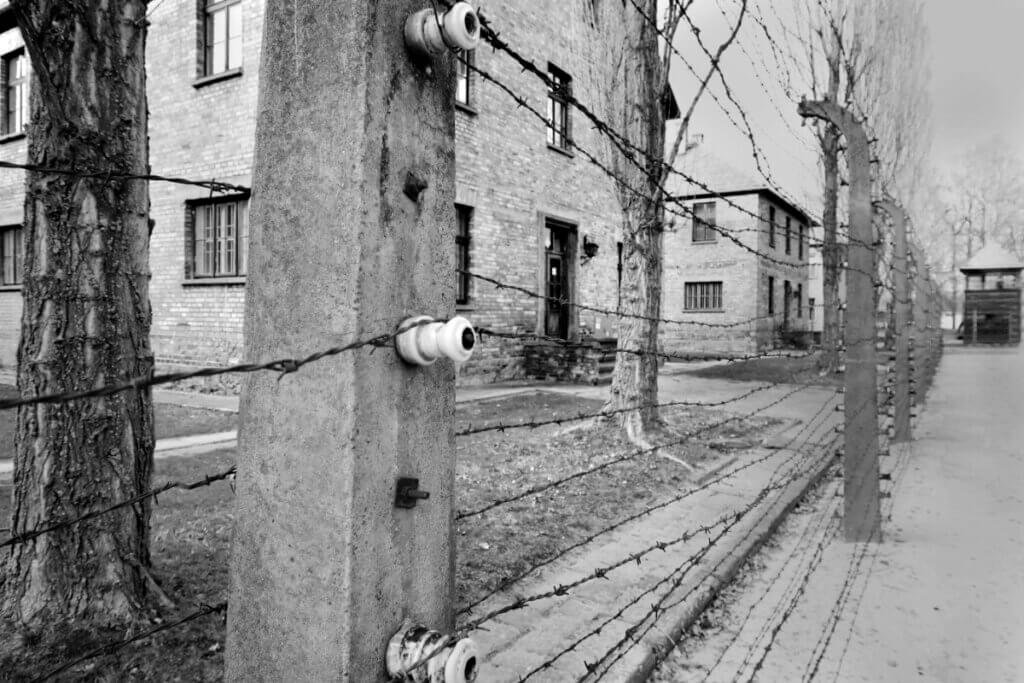
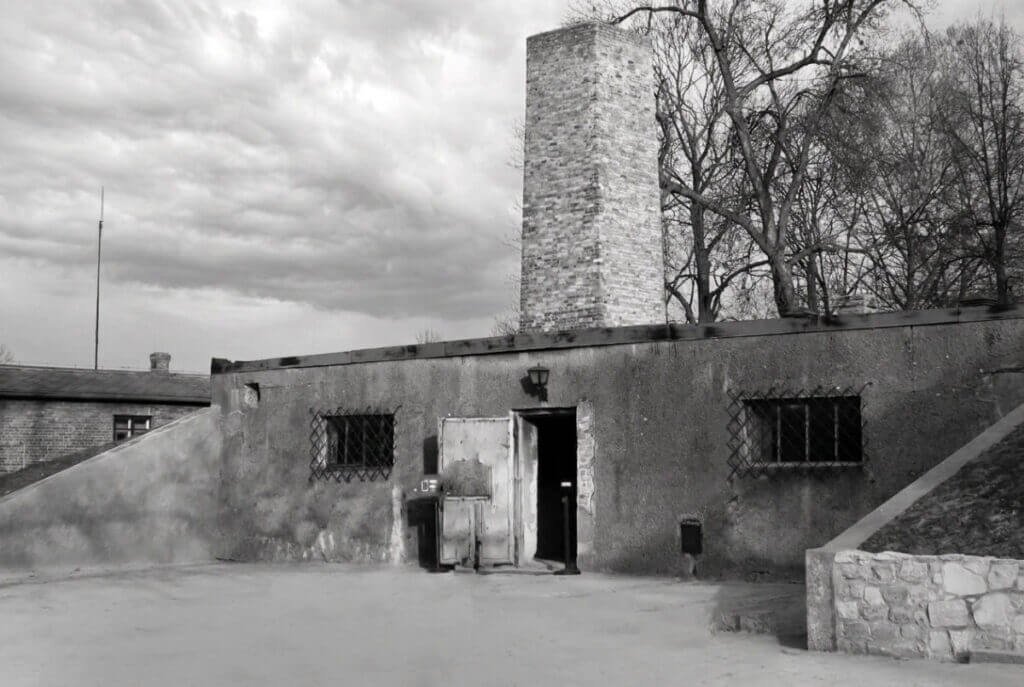
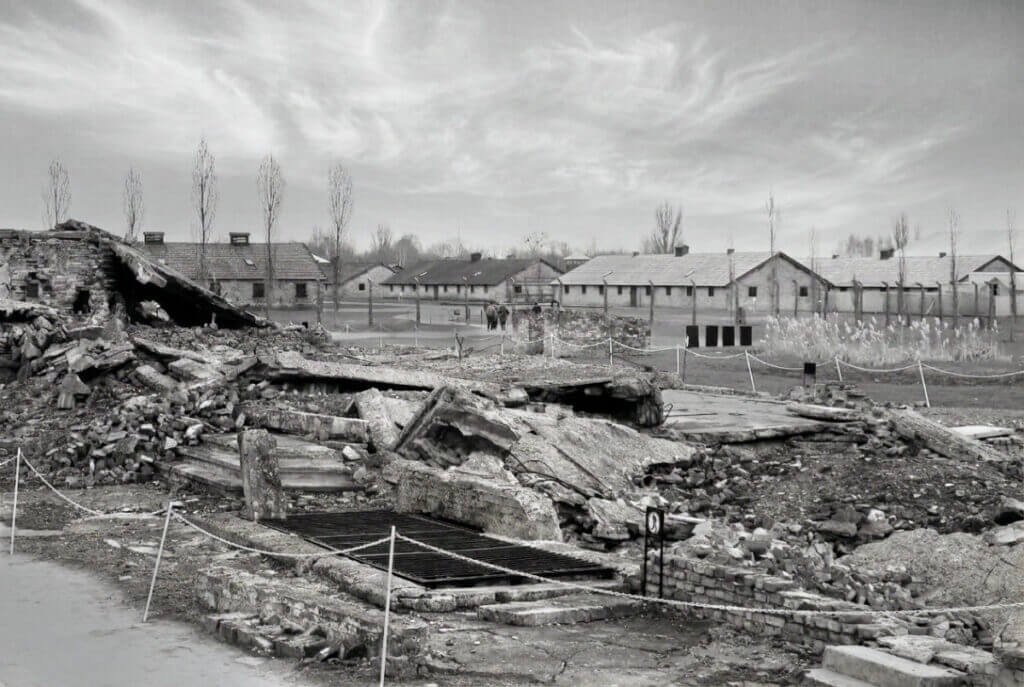
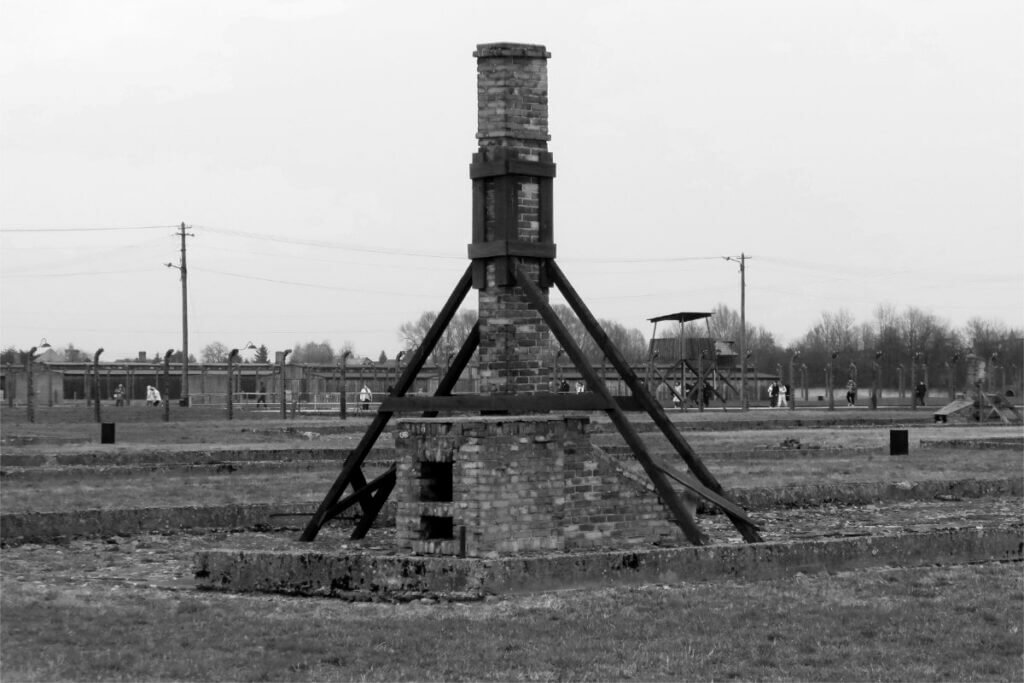
When our group finally climbed back onto the tour bus, the atmosphere was completely transformed. The entire bus was dead silent. Everyone sat in a solemn, deeply thoughtful quiet, processing the immense weight of what we had just witnessed.
The Evening Return: Rest and Reflection
By the time the tour bus dropped us back in Krakow, we were both completely emotionally and physically drained. Because I was in far too much pain to bother sitting in a restaurant, we just made a quick stop at a general store to pick up some simple food for tea—just some sandwiches and crisps.
Unfortunately, what should have been a straightforward 15-minute walk back to the hotel turned into a stressful ordeal. We got completely lost in the dark, and we ended up wandering for 45 grueling minutes. Pushing through the pain for that extra half hour was absolute agony.
When we finally found our way back, I slowly hobbled up the stairs to our room. With a massive sigh of relief, I finally collapsed onto the bed and propped my throbbing foot up. It felt amazing to take the pressure off my back and feet, but my mind wouldn’t quiet down right away. As I lay there in the quiet before sleep finally took over, it took a long time to process everything. My thoughts kept drifting back to the barracks and the courtyards, deeply reflecting on the profound weight of what we had seen that day. It was a day of absolute extremes—from the breathtaking beauty of the salt cathedral to the darkest corners of human history—and it is something that will stay with me forever.
Pushing through physical limitations to get the shot is becoming a bit of a theme for me. If you want to see how I managed another agonizing but rewarding shoot closer to home, check out my experience chasing the eclipse at Ainsdale Beach.
Day 3: The Main Market Square and Heading Home
After a hearty pre-booked breakfast at our hotel and a hassle-free checkout thanks to traveling with just a single rucksack each, severe back and foot pain caused us to pivot from visiting Kazimierz to a slower, manageable stroll through the Main Market Square (Rynek Główny). We wandered through the historic Cloth Hall’s wooden souvenir stalls and rested inside St. Mary’s Basilica, where hearing the hourly trumpet call (Hejnał Mariacki) offered a poignant and uplifting comfort.
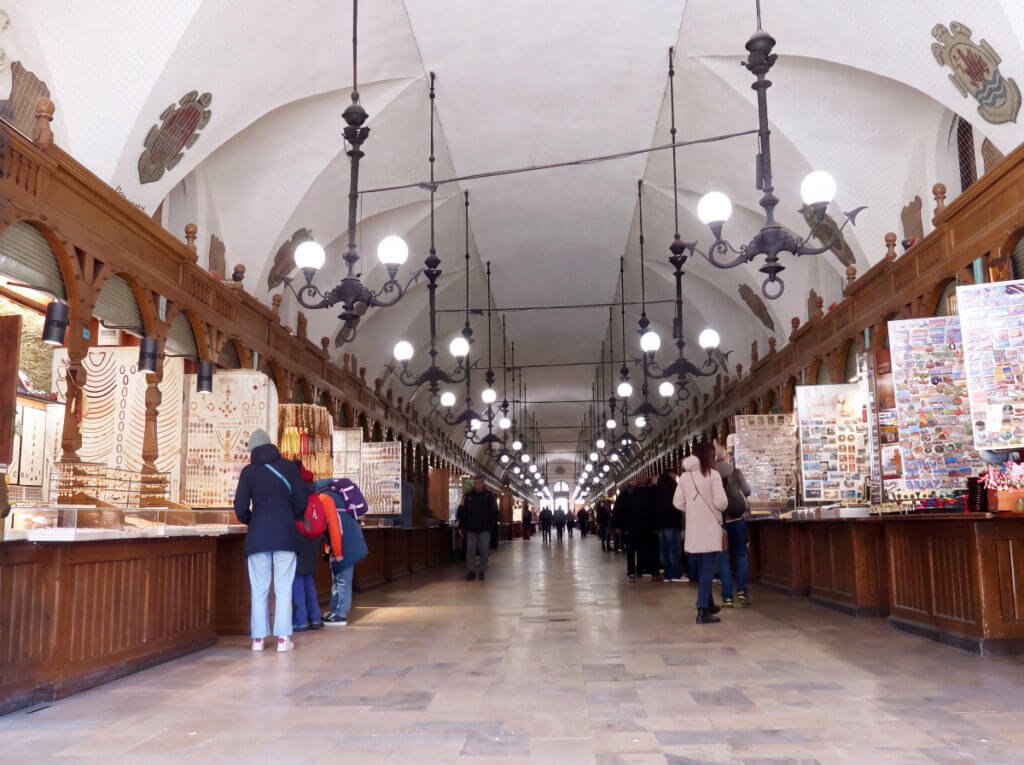
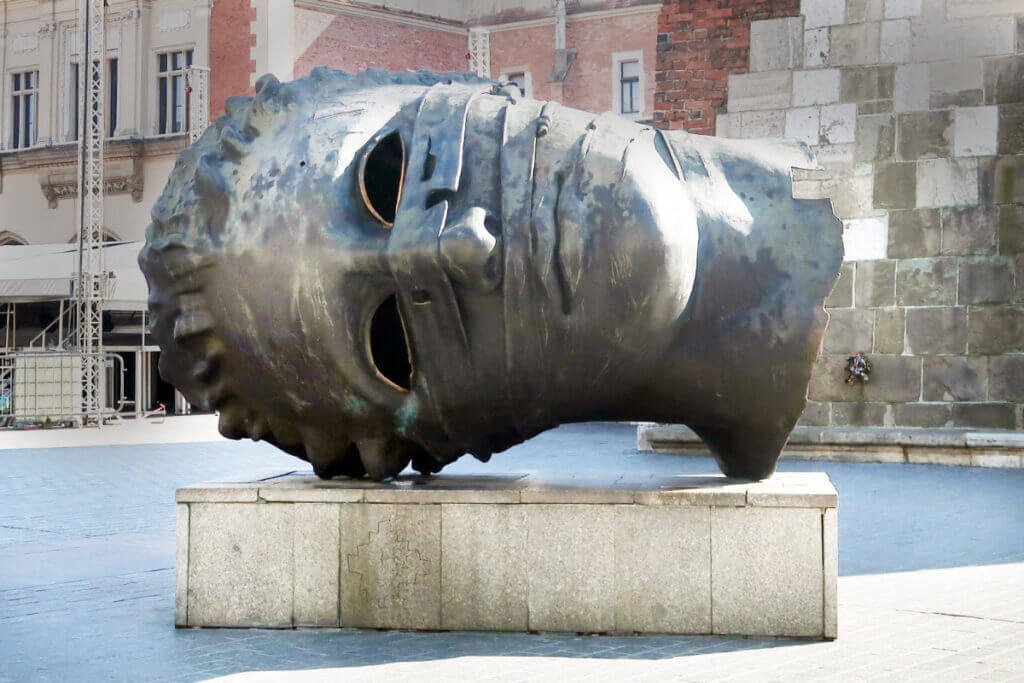
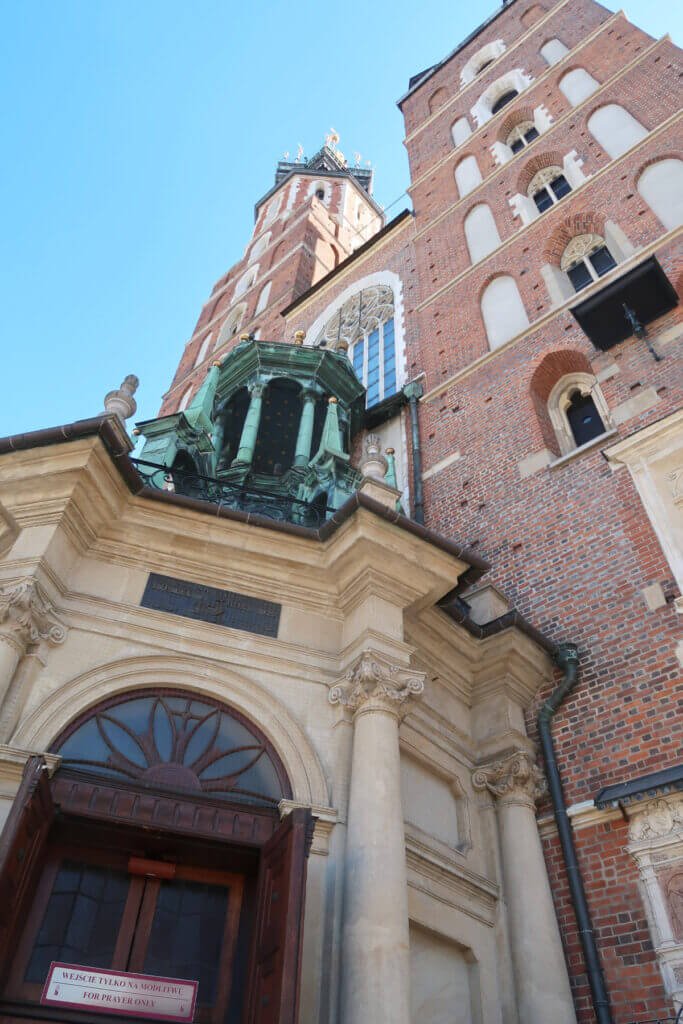
Heading toward the train station amidst agonizing plantar fasciitis, we passed the historic monastery and the circular Barbican. Due to the intense pain and reliance on sheer adrenaline, the exact order is a blur, with brief stops made solely to snap photos before moving on.
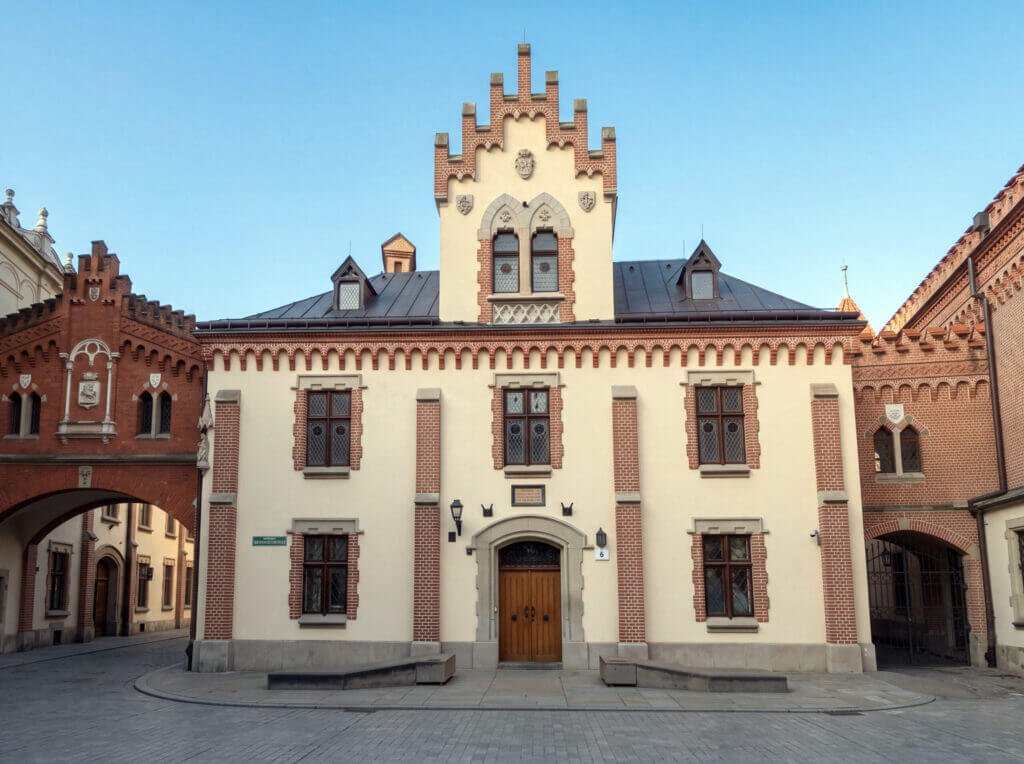
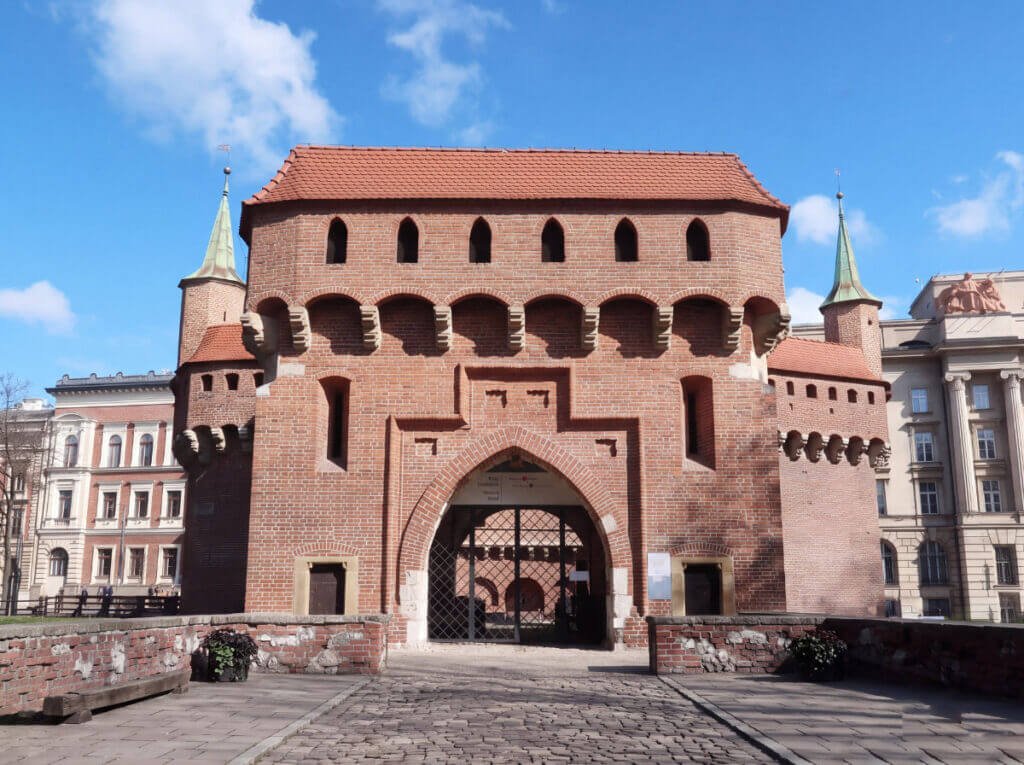
We arrived at the airport remarkably early—allowing time to rest the throbbing foot—and breezed through passport control. Reflecting on the phenomenal trip, the physical pain provided a humbling, grounding perspective on the suffering endured by prisoners, making it a journey to carry forever
Looking back, it was a phenomenal trip that was well worth every bit of effort. It was physically painful, but I will always look at that discomfort in a unique way: it offered me a tiny, humbling glimpse into the immense suffering the prisoners endured daily. It grounded the entire experience and made sure the journey is one I will carry with me forever.
Leave a Reply